
FBI Warns iPhone And Android Users—Do Not Install These Apps
The FBI has issued a warning that many phone users cannot ignore.
It says some mobile apps may put your data and privacy at risk.
That warning applies to both iPhone and Android users.
So, this is not just another small tech scare.
Apps now sit at the center of daily life.
People use them for shopping, videos, chat, work, and banking.
Because of that, one risky app can expose far more than expected.
It can reach your contacts, messages, photos, and even location.
That is why this warning matters so much.
Most people install apps quickly and move on.
They rarely read the terms or check every permission.
So, risky apps often slip into phones with almost no resistance.
The FBI is not telling people to fear every app.
Instead, it wants users to slow down and think before they install.
That sounds simple, yet many people do not do it.
And that is exactly where the danger starts.
What the FBI is warning about
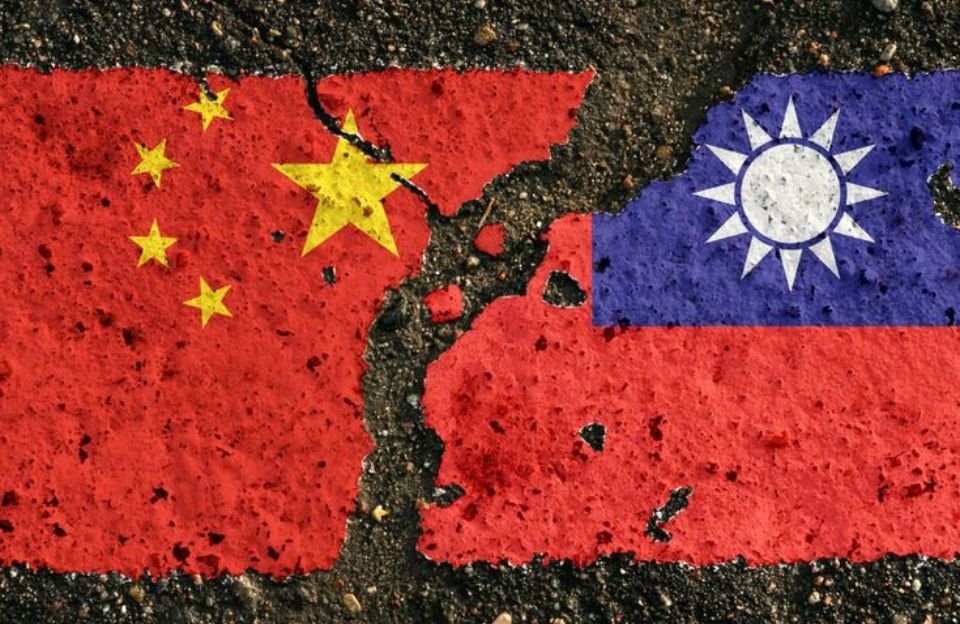
The bureau says some foreign-developed apps may create serious security risks.
That includes privacy risk, data harvesting, and possible malware exposure.
The warning also highlights apps tied to high-risk legal environments.
China comes up often in that discussion.
The main issue is not only where an app comes from.
It is also what laws may apply to the company behind it.
If a company must share data with the state, that matters.
So, even a popular app can carry hidden risk.
The FBI did not publish one short banned-app list.
That would be hard to do because app rankings change all the time.
Instead, the bureau gave users a set of warning signs.
That means the burden now falls more on the person installing the app.
Why permissions matter more than most people think
App permissions often look harmless in the moment. A game wants your contacts.
A photo tool wants your microphone. A shopping app wants your location at all times.
Many users tap yes without thinking. That is normal, but it is also risky.
Once you allow access, the app may keep collecting data quietly.
That can continue long after the first install.
This is where the warning becomes very real.
Your contact list does not only belong to you.
It also includes names, numbers, and emails for other people.
So, one careless tap can expose more than your own data.
That collected information can build detailed maps of who knows whom. In the wrong hands, that kind of data has huge value.
It can help scammers, hackers, and even state-linked actors. That is why the FBI keeps stressing permissions.
iPhone and Android users face different risks
Both iPhone and Android users should take this warning seriously.
Still, the risks do not look exactly the same on each platform.
Android usually carries more risk from sideloading and outside installs.
That makes unofficial downloads a major problem there.
Google has tried to reduce that threat.
It now blocks many installs from unknown sources.
That helps, but it does not solve everything.
A bad app can still enter through an official-looking path.
iPhone users often feel safer, and sometimes they are.
Apple’s system does offer tighter control than Android.
However, that does not make iPhones immune.
A risky app in the App Store can still collect too much data.
So, the safest lesson is simple. Do not assume your phone protects you from every bad choice.
A closed system helps, but judgment still matters. That is true on both platforms.
Popular apps can still create serious problems
Many people think danger comes only from weird or unknown apps. That is not always true.
Some of the most downloaded apps can raise big privacy questions too. Popularity does not equal safety.
That is what makes this warning more uncomfortable.
The apps in question may already sit on millions of phones.
People use them every day without seeing a problem.
Then a new report changes how those apps look.
The FBI’s message fits that reality.
It says users should judge apps by behavior, permissions, and risk.
That means flashy design and huge download numbers mean very little.
Trust should come from transparency, not hype.
What users should do right now
The easiest first step is also the most boring one. Read what an app wants before you install it.
Check the permissions. Then ask whether those permissions make sense.
If a flashlight wants your contacts, walk away.
That one habit can prevent many problems. If an app demands too much, do not install it.
Next, stick to official stores only.
That rule matters most on Android, but it matters on iPhone too.
Outside downloads create far more room for fraud and malware.
So, avoid them unless you fully understand the risk.
You should also review apps already on your phone.
Delete anything you do not use. Then trim permissions for the apps you keep.
Less access means less exposure.
Update your phone often too.
Old software creates new openings for bad code.
Strong passwords also matter, especially for linked accounts.
Small habits can cut risk faster than people think.
Why this warning may signal a bigger shift
This warning is not only about phones. It also points to a wider fight over data, control, and trust.
Governments now see apps as part of national security.
That marks a big shift in how mobile software gets treated.
For years, many people saw apps as harmless tools.
Now they look more like data pipelines.
That does not mean every foreign app is dangerous.
It does mean users should stop thinking only about convenience.
The phone in your hand now holds much of your life. That includes messages, habits, money, and movement.
So, app safety now matters as much as device safety. The FBI warning reflects that reality very clearly.
Final thoughts on FBI Warns iPhone And Android Users—Do Not Install These Apps
The biggest lesson here is not fear. It is caution.
You do not need to panic every time you open an app store.
However, you should stop installing blindly.
That one change can make a big difference. Read more. Grant less. Delete what you do not trust.
The FBI warning matters because it points to a real problem.
Apps can collect more than users expect.
And in some cases, they may do much worse.
That is why this message deserves attention.
In the end, phone safety is no longer just about viruses.
It is also about who gets your data and why.
That question now sits behind every install button.
And more users need to start asking it.