China and Russia Block Security Council Move on the Strait of Hormuz
Tension rose again at the United Nations Council this week. Diplomats met in New York to discuss security in the Strait of Hormuz. The talks drew attention far beyond the chamber. Oil traders watched closely. So did shipping firms, regional leaders, and ordinary families.
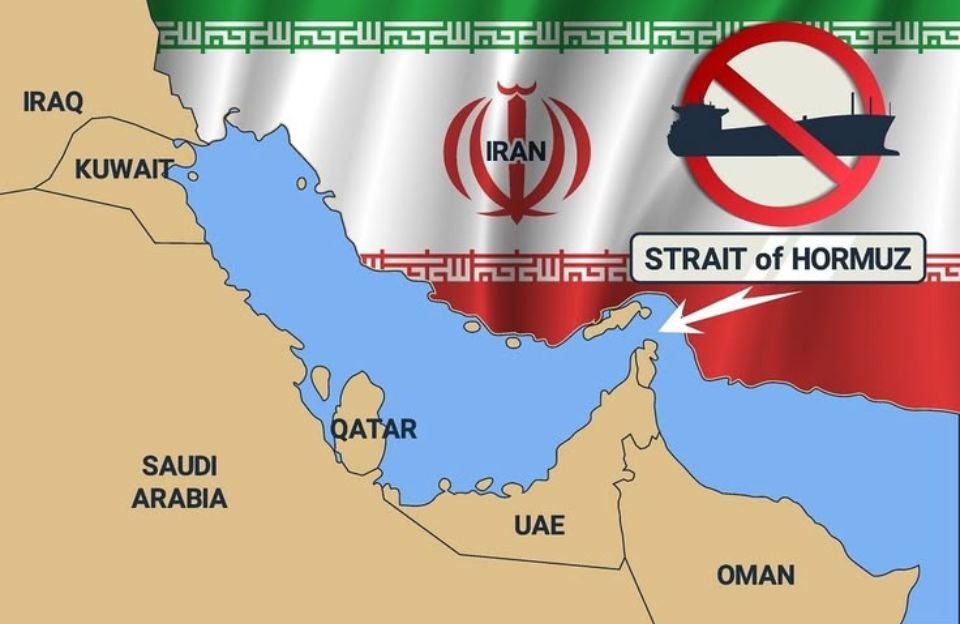
At the center stood a proposed Security Council move. The draft aimed to condemn attacks near the strait. It also called for respect for freedom of navigation. That issue matters deeply. The Strait of Hormuz carries a huge share of the world’s oil.
Yet the effort hit a wall. China and Russia opposed the move. Their stance stopped the council from speaking with one voice. As a result, the split exposed deep global divisions. It also raised new fears about energy security and regional stability.
China and Russia Block Security Council Move on the Strait of Hormuz During Key UN Talks
The meeting had a narrow focus, but the stakes ran high. Diplomats wanted a clear message on shipping safety. They also wanted to calm fears after recent threats in Gulf waters. Even so, the draft failed to win full support.
China and Russia argued for caution. They warned against language that could raise tension. They also stressed sovereignty and the need for balance. In their view, the council should avoid any step that could harden positions.
That argument did not satisfy everyone. Other diplomats wanted stronger action. They believed the council should defend open sea lanes. They also wanted to discourage any future attacks. So, the disagreement turned sharp.
The divide carried wider meaning. It showed how major powers now read the same crisis in very different ways. One side pushed deterrence. The other side pushed restraint. Both claimed to support peace. Yet they chose opposite paths.
Why the Strait of Hormuz Matters So Much
The Strait of Hormuz remains one of the world’s most important waterways. Oil tankers pass through it every day. Many economies depend on that route. Therefore, even a short disruption can shake global markets.
A threat in the strait can raise oil prices quickly. It can also increase shipping costs. In turn, those costs can hit fuel bills, food prices, and transport fares. So, a distant security crisis can reach homes far away.
That is why every diplomatic signal matters. Traders often react before events fully unfold. Markets move on fear as much as fact. Because of that, even a failed UN move can send a message.
For countries in the Gulf, the risk feels even more immediate. They live close to the pressure point. Their ports, ships, and coastlines sit near any possible flashpoint. As tensions rise, so does public anxiety.
China and Russia Defend a Cautious Approach
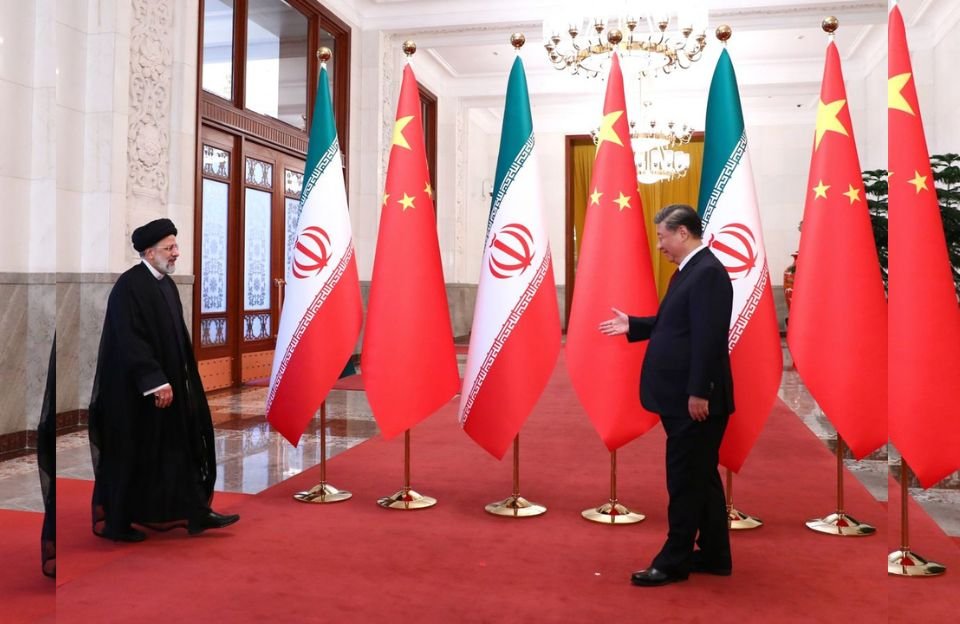
After the debate, Chinese and Russian officials defended their position. They urged diplomacy over confrontation. They also warned against moves that might corner regional actors. In their view, the council should leave room for negotiation.
China stressed stability in trade and energy flows. It signaled support for talks that lower risk. At the same time, it resisted language that looked punitive. That stance fits Beijing’s wider approach in many global disputes.
Russia focused more on sovereignty. It argued that the UN must respect the rights of coastal states. It also warned against broad wording on shared waters. Moscow often takes that line in security debates.
Still, critics say caution can drift into paralysis. They argue that silence may invite more risk. If the council cannot condemn threats to shipping, they ask, what message does that send? That question now hangs over the chamber.
China and Russia Block Security Council Move on the Strait of Hormuz as Oil Fears Grow
The failed move came at a sensitive time. Energy markets already face pressure from inflation, wars, and weak supply chains. Because of that, any instability near the strait can trigger fresh concern.
Oil traders know the pattern well. First comes a threat. Then prices jump. After that, governments issue reassurances. Yet markets often stay tense until the danger fades. This time may follow that same path.
Import-heavy countries could feel the strain fastest. Rising fuel costs can hit factories, farms, and families. Poorer households often suffer first. In that sense, the issue goes beyond diplomacy. It touches daily life.
Business leaders also worry about uncertainty. They can plan for high costs. However, they struggle with sudden shocks. When the global system feels fragile, uncertainty becomes its own burden.
Human Stories Sit Behind the Headlines
Big diplomatic stories often sound abstract. Yet real people live with the fallout. Coastal families near the Gulf know that reality well. So do ship crews and small traders.
A fisherman, a port worker, or a truck driver may feel the risk first. If fuel rises, income shrinks. If shipping slows, jobs weaken. Therefore, the human side matters.
People in nearby communities often follow global news with intense focus. They listen for signs of calm. They also brace for the next wave of tension. That cycle wears people down over time.
Even far from the Gulf, families feel the effects. Higher oil prices can lift bus fares and grocery bills. They can also hurt small businesses. So, what begins in a narrow waterway can spread across continents.
Diplomats Still Call for Dialogue
Despite the setback, diplomacy has not ended. Several officials still support talks on maritime safety. They want practical steps that reduce risk without triggering a wider clash. That remains the central goal.
Some diplomats favor quiet talks over public votes. They believe private channels can build trust. Others want regional states to lead the next phase. Both ideas now compete for support.
There may still be room for smaller agreements. Countries could improve naval communication. They could also expand warning systems and crisis hotlines. In many tense regions, those tools help prevent mistakes.
Yet progress will take time. Trust remains thin. Strategic rivalry also clouds every discussion. Even so, dialogue still offers the safest path forward.
What Comes Next
For now, the council remains divided. That means no strong unified message on the strait. As a result, each country may act on its own reading of the risk. That can increase confusion.
Still, the issue will not fade. The Strait of Hormuz remains too important. Markets, governments, and citizens will keep watching. Every new incident could bring another round of alarm.
In the end, this debate reflects a larger truth. Global crises no longer follow one script. Major powers now clash over both facts and solutions. That makes peace harder to build.
China and Russia block Security Council move on the Strait of Hormuz. Yet the deeper story concerns more than one vote. It concerns trade, trust, power, and fear. Most of all, it concerns whether diplomacy can still outrun danger.