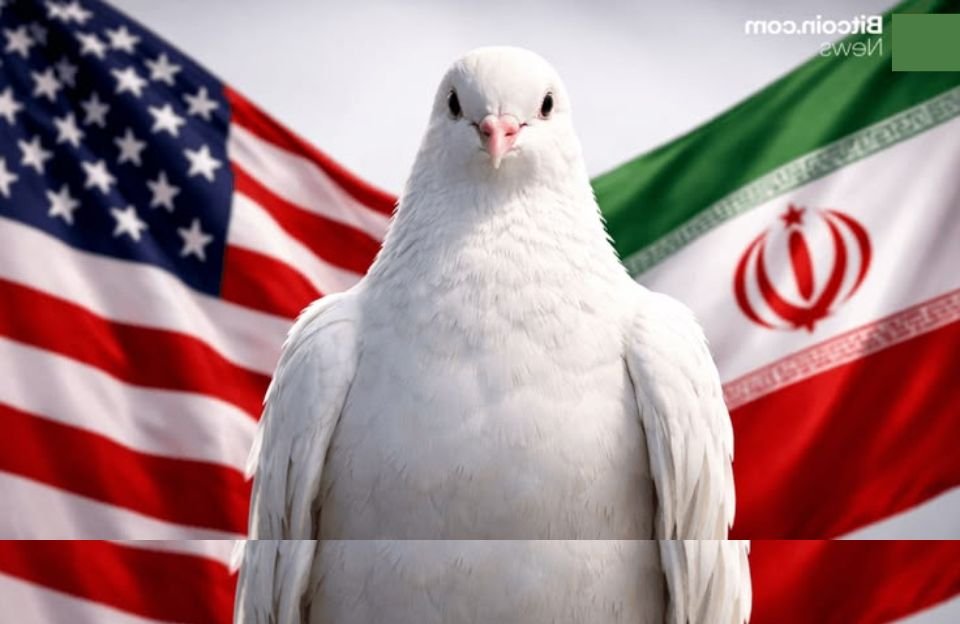
Strikes Stall: Trump‑Iran Accord Marks 2‑Week Quiet
The air above the Gulf coast finally feels calm. For months, heat mixed with smoke and fear. Missiles once carved red streaks through the night sky. Families hid indoors and waited for the next siren. Today, that fear has turned into silence. People now cling to what they call a miracle—two quiet weeks that came after a new Trump‑Iran accord.
The deal stopped the strikes that had drained nerves across the region. It also offered traders relief, students rest, and children a sense of sleep without explosions. The world took notice because this pause might mark more than numbers on a clock. It could mark the first breath of peace in a tense year.
Strikes Stall: Trump‑Iran Accord Marks 2‑Week Quiet Across the Gulf
News of the truce arrived at sunrise with a clear, firm message. The U.S. State Department announced a two‑week ceasefire with Iran. Economic sanctions would relax during that time. Both armies agreed to hold positions. After months of hostile language, the statement sounded almost unreal.
In Tehran, markets opened with cautious smiles. Merchants poured tea instead of quick escapes through alleys. In Riyadh, traffic moved again after weeks of fear. Cafes filled with talk, not reports of damage. The phrase “two weeks of peace” echoed from radio to radio. Across oceans, traders exhaled as well.
Ordinary Voices Hear the News
In Scotland, a young Iranian woman named Kafayat checked the headline on her phone. Her family had lived in a shelter in southern Iran for weeks. She wiped her eyes and said quietly, “It feels like rain after a drought.” She called home and told them to rest. For her, the Trump‑Iran accord meant relief and prayer wrapped together.
In northern Iraq, near Erbil, a veteran turned bartender watched the news on television. His voice carried both pride and fear. “People want an end,” he said, “but they also fear that it won’t last.” That mixture of relief and hesitation mirrored the region’s mood.
How Diplomacy Carved the Pause
Behind the calm stood months of back‑channel meetings. The United Nations Secretary‑General had urged restraint since spring. After long debates, diplomats from the U.S., Iran, and allied nations agreed to test silence before trust. Geneva hosted the signing session for what became the Trump‑Iran accord.
The deal covered three points. First, all planned military actions would stop for fourteen days. Second, both sides would open humanitarian corridors. Third, trade routes in the Gulf would resume under the UN’s supervision. Each point sounded small, yet together they changed daily life.
Transitioning from rockets to relief required courage. Officials explained that the truce’s goal was simple: listen before firing. That phrase became a headline quote within minutes. It also became hope for millions.
The Streets Reflect Early Change
Reporters in Tehran described the city as lighter by mid‑afternoon. Shops reopened. Bus drivers played music instead of news updates. Street artists began painting peace doves on walls. The air still carried heat, but now it carried laughter too.
In Basra, a fisherman named Rashid prepared his boat again. He had not gone out for weeks because insurance costs had soared. “The sea looks open again,” he said. “I can work without glancing at the horizon every minute.” Short, clear moments like his defined the truce more than any official statement.
In a radio studio inside Khuzestan, Afghan journalist Shah Abdul summed it up: “This two‑week window lets us imagine an ordinary life. Even if short, it feels human again.” His remark spread quickly among journalists and turned into a symbol for calm.
The Global Ripple Reaches Markets Fast
Oil traders reacted first. The moment broadcasts confirmed the ceasefire, prices steadied. Cargo insurers lowered emergency rates. Tankers resumed routing through the Strait of Hormuz without escort for the first time in months. In Dubai, brokers toasted to “two weeks of normalcy,” knowing every day of calm counted.
Financial analysts tied the change directly to the Trump‑Iran accord. They said a stable Gulf meant a stable world economy. Lower shipping risk meant prices for energy and goods could finally cool. Coffee shops in New York and Paris echoed with the same headline traders had used: “Fourteen days of still water.”
Across Europe, relief replaced panic. Governments praised the halt yet urged caution. Everyone knew that fourteen days could end faster than they began. Still, they celebrated fresh air when only smoke had filled their screens a month earlier.
Small Lives, Big Hopes
War freezes people’s routines before it freezes borders. A tailor in Doha put it simply: “During war, even stitching feels wrong. The machine hums, but the heart does not.” Now he sews again and calls each piece of cloth a sign of survival.
In Muscat, school teachers told students about the ceasefire and its meaning. One girl raised her hand and asked, “What will happen on day fifteen?” The teacher paused before saying, “That depends on us.” Her answer spread through social media as a line of soft wisdom.
Every peace begins with habits of calm—open markets, steady jobs, safe phone calls. The Trump‑Iran accord offered those habits for a moment. Whether they continue depends on choices no one can force.
Religious and Civic Reactions
Faith leaders across the region embraced the truce as divine timing. Churches in Kuwait lit candles for soldiers. Mosques in Bahrain called for patience and gratitude. Synagogues in parts of Europe shared prayers for families divided by sanction rules. That rare overlap showed how fatigue can build bridges when nothing else does.
Even social media—usually sharp and fast—turned briefly gentle. The tag #QuietGulf gained millions of posts filled with dusk photos, family dinners, and handwritten messages. A simple image of a child holding a white paper dove became a viral emblem for the ceasefire. For one night, hashtags carried more hope than hate.
The Strategic View
Analysts described the Trump‑Iran accord as tactical rather than transformational. It worked like a pressure valve, not a peace treaty. Yet even a valve prevents collapse. Experts said both nations needed quiet for different reasons. The U.S. faced election pressure to cool foreign tensions. Iran faced economic pressure after months of sanctions that crushed trade. Each side gained time to think.
Regional experts noted how the ceasefire shifted diplomatic tone. Meetings once filled with threats now included genuine questions. Analysts predicted that if anger stays silent for fourteen days, logic might speak louder on day fifteen. Still, they warned that politics always runs faster than healing.
Will the Quiet Last?
The question circles every table in the Gulf. The Trump‑Iran accord promises two weeks, no more. Each sunrise counts down one step closer to renewal or relapse. Diplomats already plan a review meeting in Geneva. They want to extend the peace to thirty days.
Ordinary citizens whisper their own prayers. They keep planning normal days, yet they know how little it takes to slip back into chaos. Still, they buy more bread than fear. That small act defines resilience better than slogans.
Two weeks may sound short, but after months of constant tension, it feels endless in the best way. If silence stays longer, the Gulf might rediscover its rhythm not through power, but through patience.
A Final Breath of the Moment
Night falls again over the Gulf, quiet and thick as sand. Streetlights reflect off still water. Families rest without alarms. Somewhere, in both Washington and Tehran, phones ring with new questions—how to preserve this calm, how to turn pause into promise.
The Trump‑Iran accord began as a bargain of hours. It has since grown into something softer, more human. It carries the fragile sound of normal life trying to return.
For now, that is enough.