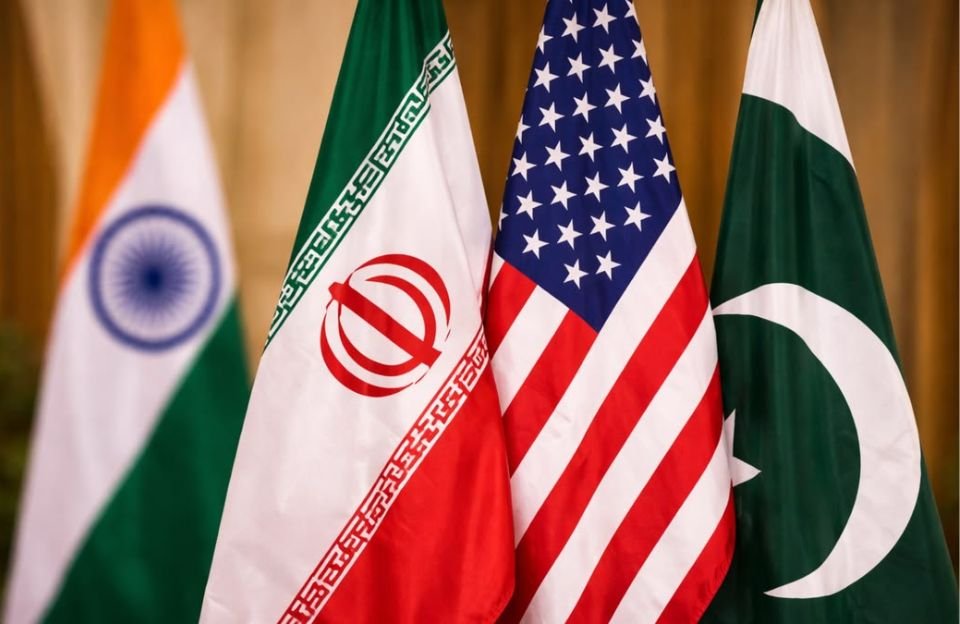
The Five Big Sticking Points in U.S.–Iran Talks
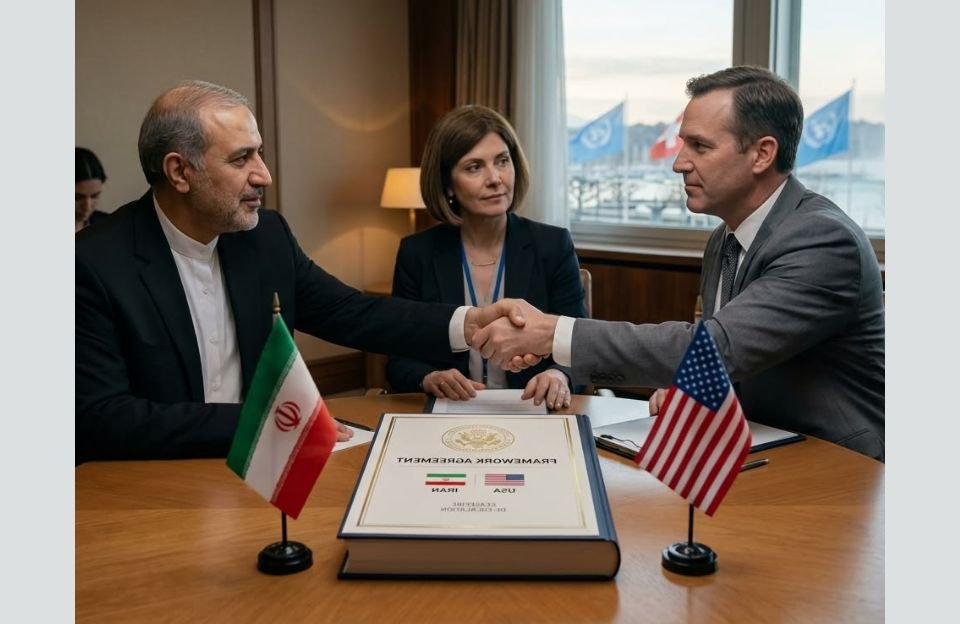
Talks between Washington and Tehran returned to center stage this spring. Blame These Five Big Sticking Points in U.S.–Iran Talks now shape every move. Negotiators met in Doha after weeks of tense back‑channel messages. Hopes rose, yet fears grew just as fast. Both sides want progress, but each guards core demands. Therefore, five issues hold the key to any real deal. Together, they link security, economics, and human trust.
The Five Big Sticking Points in U.S.–Iran Talks at a Glance
First, the nuclear file drives every other track. Second, sanctions define Iran’s economic lifeline. Third, proxy activity fuels regional alarms. Fourth, missiles raise hard deterrence questions. Fifth, detainees and rights shape public trust. As a result, each piece depends on the others. One failure can stall the entire package.
1) Nuclear Limits Versus Sanctions Relief
The nuclear question anchors these talks again. The United States seeks strict enrichment caps and deeper inspections. Officials want a firm ceiling near the old JCPOA level. They also want clear steps that retire advanced centrifuge cascades. Meanwhile, Iran demands broader space for peaceful research. Leaders in Tehran defend a higher enrichment cap. They also insist on guaranteed access to nuclear technology.
Here, both sides defend identity as much as policy. Washington argues that verification must come first. Tehran argues that dignity and energy rights matter most. Therefore, the gap feels both technical and political. Mediators in Doha floated a narrow freeze. They suggested a short pause above a modest threshold. Then, they linked steps to staged economic relief.
Still, negotiators see risks on both sides. If limits look weak, critics in Washington revolt. If relief looks slow, hardliners in Tehran walk out. Consequently, the nuclear track decides the room for every trade.
2) Secondary Sanctions on Oil and Finance
Now consider sanctions and money flows. Iran needs oil revenue and working banks. Sanctions choke both streams and squeeze daily life. The United States wants performance before large relief. Officials propose narrow licenses and careful audits. They also threaten snap‑back if Iran cheats. In contrast, Iran wants clear, front‑loaded relief. Leaders ask for real oil shipments and insured tankers. They also want stable banking channels that process payments.
Therefore, timing drives this dispute. Washington staggers relief after inspections. Tehran demands relief that arrives before new steps. Markets watch every signal and price the risk. Traders lift premiums when talks wobble. Refineries slow purchases when routes look unsafe. As a result, families far away feel the shock. Bus fares rise and food costs jump with fuel. So, a sanctions ladder must fit real time. It must reward compliance fast, yet still deter cheating.
3) Regional Proxies and Cross‑Border Pressure
Next, the region complicates every pledge. Washington presses Tehran to curb support for proxies. Officials cite Hezbollah, the Houthis, and Iraqi militias. Allies echo the concern across many capitals. They fear strikes on cities, ports, and bases. Meanwhile, Iran frames those groups as strategic depth. Leaders describe them as shields, not swords. They claim deterrence, not expansion, drives support.
Therefore, both sides trade warnings on red lines. The United States asks for measurable cutbacks. It also demands proof that shipments stop. Iran seeks mutual restraint from rivals. It wants fewer threats along its borders. Here, verification becomes the thorn. Satellites can track routes and cargo. However, denial and deception often blur the view. Inspectors can visit sites and cross‑check logs. Yet they need access, time, and clear rules.
So, mediators suggest phased trust steps. First, halt defined shipments for fixed weeks. Next, file notices for any border movements. Then, open channels for rapid incident calls. If these steps hold, larger steps can follow.
4) Ballistic Missiles and Transparency
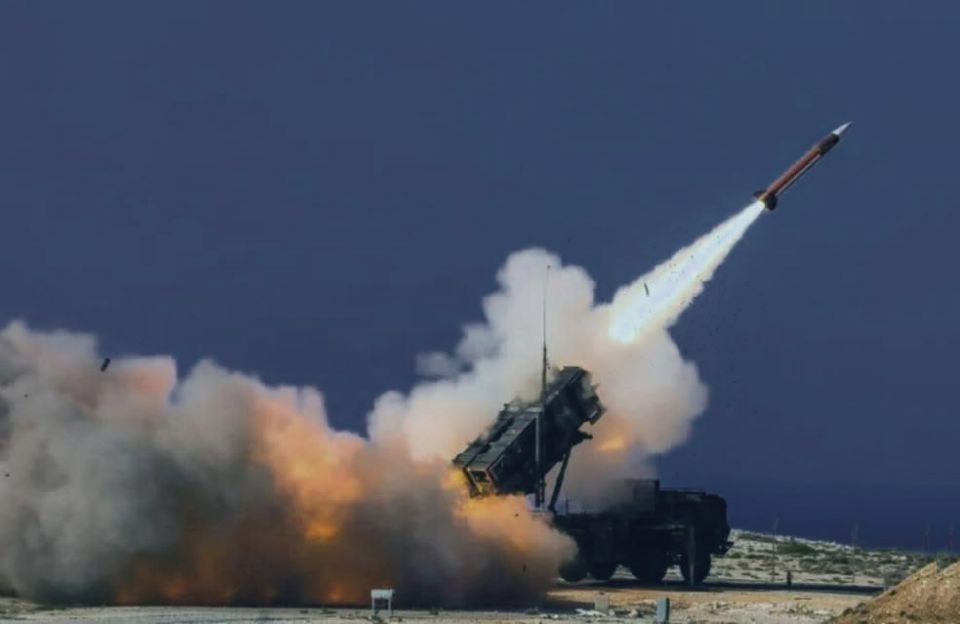
Missiles now sit at the core of deterrence. The United States seeks range caps and tests control. It also requests data sharing and launch notices. Iran defends the missile program as defense. Leaders say missiles deter raids and coercion. They tie missiles to sovereignty and security.
Hence, both sides protect pride and survival. Washington proposes range brackets and strict freezes. It also wants outside monitors and shared telemetry. Tehran requests security guarantees in return. It asks for fewer U.S. deployments nearby. It also seeks relief on aerospace trade and parts.
Here, a trust ladder may help both sides. First, share launch notices for defined classes. Next, exchange limited test data under seal. Then, stand up a joint oversight cell. Finally, link further steps to quieter borders. If the region calms, more limits can follow.
5) Prisoners and Human‑Rights Access
Now turn to people at the center of pain. Families on both sides wait for loved ones. Courts issued charges that each side disputes. Media attention grows with every new case. As a result, pressure rises on negotiators. The United States asks for full releases. It also requests open doors for prison monitors. Iran demands respect for its courts and laws. It also asks for broad releases of its nationals.
Therefore, mediators urge a humane track. Separate people from power trades, they say. Swap detainees in balanced lists, with audits. Invite neutral observers to check conditions. Publish timelines so families can plan. If leaders deliver here, trust can grow. Then, hard files may feel less hard.
How These Five Files Interlock
These five files move like gears. The nuclear cap unlocks sanctions relief. Sanctions relief creates space for calm streets. Calm streets reduce pressure for proxy strikes. Fewer strikes make missile caps more plausible. Detainee progress warms public opinion. Warm opinion softens rigid lines in capitals.
Conversely, one failure can topple the stack. If inspectors lose access, sanctions return. If sanctions return, budgets tighten fast. They must also plan cushions for stumbles. If budgets tighten, proxy pressure may rise. If pressure rises, missile caps collapse. Then, families lose hope and leaders harden lines. Therefore, sequencing matters as much as content. Mediators must map steps that build on wins. They must also plan cushions for stumbles.
What to Watch in the Next Round
Next, negotiators will drill into verification. They will detail sensors, cameras, and site lists.They will sketch escrow paths and payment checks They will define timelines for reports and audits. They will also code triggers for snap‑back. Meanwhile, economic teams will refine licenses. They will sketch escrow paths and payment checks. They will also time oil cargoes with inspection gates.
Regional envoys will press for cooler borders. They will request hotline tests and field drills. They will also map red zones and patrol lanes. Humanitarian teams will shape detainee swaps. They will confirm names and verify health needs. They will also set dates and neutral escorts.
If leaders close three files, momentum grows. A modest cap, a staged relief plan, and proxy steps could do it. Then, missiles and detainees feel less rigid. If leaders stall on nukes or sanctions, risk spikes. Oil jumps, currencies shake, and tempers rise. So, progress now saves pain later.
The Bottom Line
The Five Big Sticking Points in U.S.–Iran Talks define this moment. Each point carries pride, fear, and history. Yet each point also holds room for craft. Clear steps can replace slogans with facts. Firm timelines can replace doubt with order. Fair audits can replace claims with proof.
For now, the window stays open, but narrow. Wise moves can still widen the frame. Careful words can still lower the noise. Real checks can still anchor bold promises. The next session will show that path.