US–Iran Conflict Near Ceasefire: Last-Minute Truce Talks Underway, but Long-Term Peace Remains Uncertain
The United States and Iran may be close to a short-term ceasefire.
Reports say last-minute truce talks are moving through diplomatic channels.
That matters because the conflict has raised fears of a wider war.
So, any sign of a pause draws instant global attention.
Still, a truce does not mean lasting peace.
Many deep issues remain open between both sides.
Sanctions, regional power, and years of distrust all stand in the way.
That is why experts urge caution even as talks continue.
For ordinary people, this moment carries real weight.
Families near the conflict want safety. Markets want stability.
And leaders want to avoid a mistake that could spiral fast.
That pressure now shapes every headline and every backroom talk.
A wrong move could end the process. A right one could buy time.
And time, right now, matters a great deal.
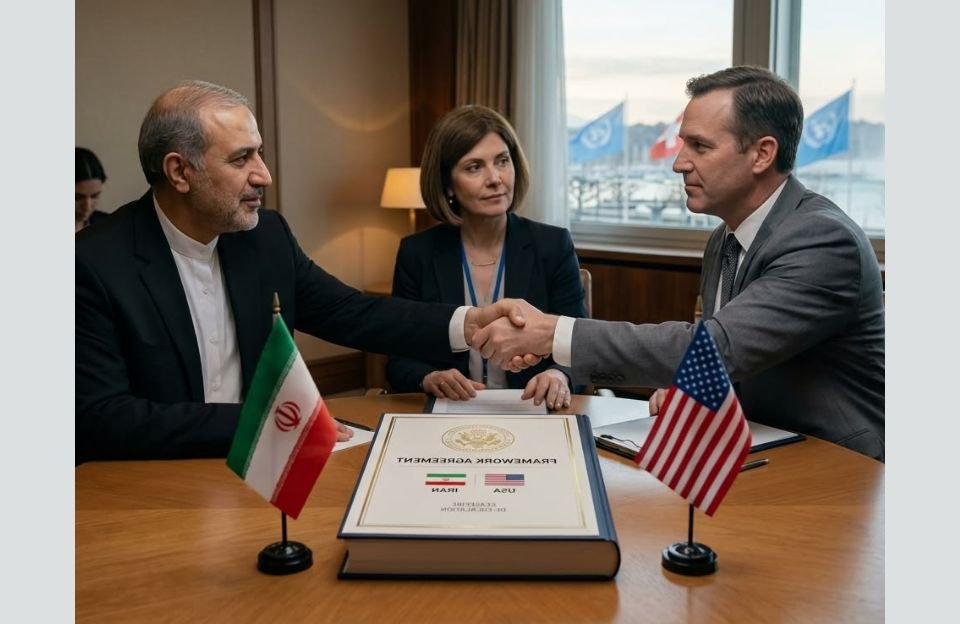
Truce talks move through Qatar
Reports say Qatar has helped open a channel between Washington and Tehran.
That role makes sense because Qatar has mediated before.
It also sits close to the region and holds ties with both sides.
So, it can move messages when direct contact stays blocked.
The United Nations and the European Union may also support the process.
Their involvement could add structure and credibility to the talks.
However, no formal meeting has been fully confirmed yet.
That gap between talk and action keeps the situation fragile.
Mediators often play a quiet but critical role. They carry offers, test ideas, and gauge willingness.
Without them, hard positions can freeze in place. With them, even small openings can grow.
That is why Qatar’s role has drawn so much attention.
It may not control the outcome. Yet it could help shape the path toward one.
And in a tense moment like this, that contribution matters.
What the United States wants from a ceasefire
Washington has reportedly set several key conditions.
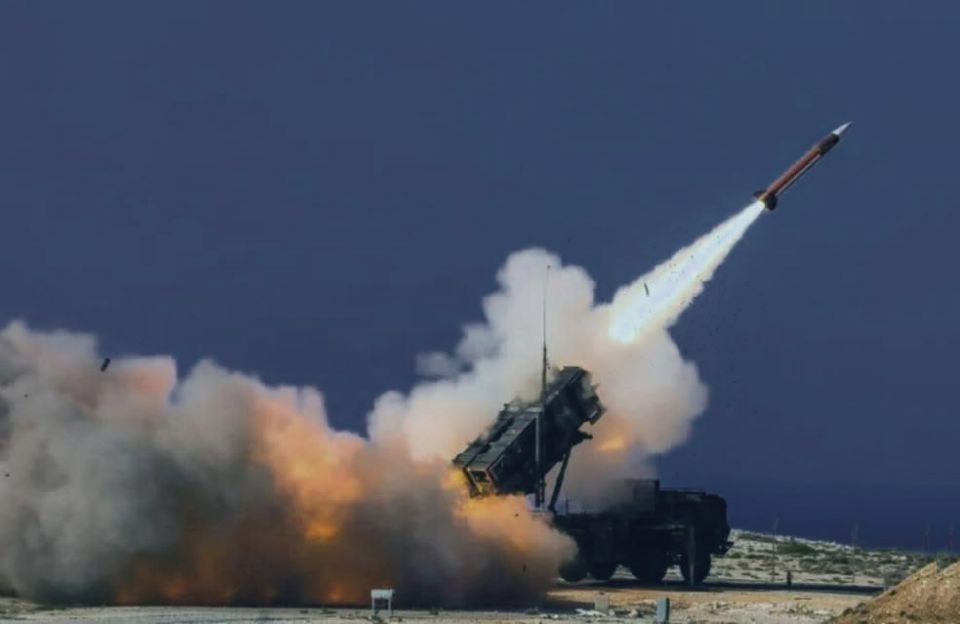
First, it wants all attacks on ships and U.S. positions to stop.
Second, it wants protection for shipping through the Strait of Hormuz.
Third, it wants any agreement to include clear verification steps.
Those demands reflect practical security needs.
The Strait of Hormuz carries a major share of global oil trade.
Any disruption there affects prices, supply, and market confidence.
So, protecting that route sits near the top of the list.
The United States has also hinted at limited sanctions relief.
That signal could help bring Iran to the table.
However, any relief would likely come with tight conditions.
Washington does not want to give up leverage too quickly.
Beyond the immediate crisis, the U.S. has also mentioned nuclear talks.
That issue has shaped the relationship for years.
Restarting that process would require trust and time.
For now, the focus stays on stopping the violence first.
What Iran says it needs
Iran has also set its own demands.
It wants the United States to lift key economic sanctions.
It also wants a halt to support for Israeli military action.
And it wants detained Iranian nationals released.
Those conditions show how broad Iran’s concerns reach.
They go well beyond a simple ceasefire.
They touch sovereignty, economy, and regional power.
That makes any deal harder to reach quickly.
Iranian officials have also said any agreement must look like a pause.
They do not want it framed as a surrender or a loss.
That matters because internal politics shape how leaders present deals.
A wrong frame could kill the process from inside Tehran.
That pressure creates a difficult balance.
Iran wants relief but cannot look weak.
The United States wants compliance but cannot look soft.
Both sides must find language that lets each save face.
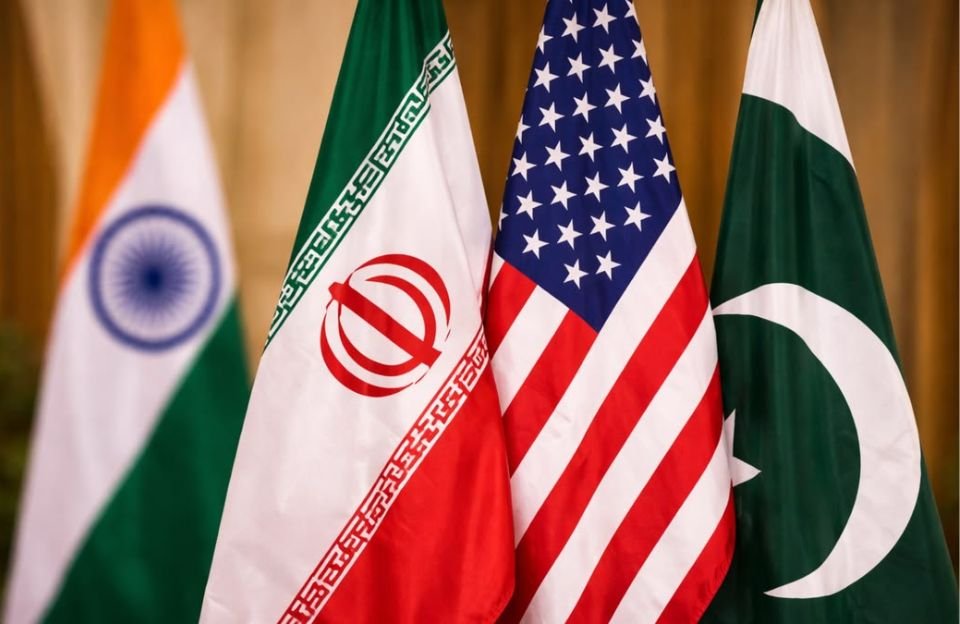
Regional powers add another layer
This conflict does not sit in a vacuum.
Other countries in the region carry their own interests and fears.
Israel wants Iran’s military reach reduced. Saudi Arabia wants shipping lanes protected.
The UAE has offered to help with prisoner talks.
That step could ease one part of the larger puzzle.
Meanwhile, Israel remains skeptical of any deal it sees as too soft.
That tension may complicate the process further.
Each country adds weight to the talks. Some push toward compromise. Others push toward harder lines.
That mix makes the path forward bumpy and uncertain.
Still, regional input can also help.
If enough countries support a deal, it becomes harder to reject.
That kind of momentum sometimes makes the difference.
And right now, many in the region want this crisis to cool.
Oil markets and global impact stay in focus
Energy markets have already reacted to the conflict.
Oil prices climbed as shipping slowed near the Strait of Hormuz.
That pushed fuel costs higher in several countries.
So, the economic cost of this crisis is already real.
A ceasefire could help calm those markets.
Even a short pause might restore some shipping confidence.
That alone could lower prices a small but meaningful amount.
For consumers, that kind of relief matters.
However, analysts say a truce alone will not fix oil volatility.
Deeper supply and demand issues still exist.
Sanctions, production cuts, and global demand all play a role.
So, energy markets may stay tense even after a deal.
Why long-term peace still feels far away
Even if a ceasefire holds, the deeper problems remain.
Sanctions divide the two sides. Nuclear concerns add more tension.
And proxy conflicts in several countries keep trust low.
That is why experts call any deal a starting point, not a solution.
Real peace would need years of careful diplomacy.
It would also need political will on both sides. Right now, that will looks limited.
Still, a pause can create space. Space to think. Space to talk.
And space to avoid the kind of mistake that starts a larger war.
Final thoughts on US–Iran Conflict Near Ceasefire: Last-Minute Truce Talks Underway, but Long-Term Peace Remains Uncertain
This moment feels both hopeful and heavy.
Talks suggest some willingness to pause.
Yet conditions, demands, and distrust remain thick.
That tension will not fade with one announcement.
A ceasefire would matter.
It could protect lives, calm markets, and lower fear.
However, it cannot solve the issues that created this crisis.
Those require something much harder and much longer.
For now, the world watches and waits.
Each signal from Doha, Washington, or Tehran carries weight.
And until a formal deal appears, uncertainty will remain.
That is the honest reality behind this fragile moment.