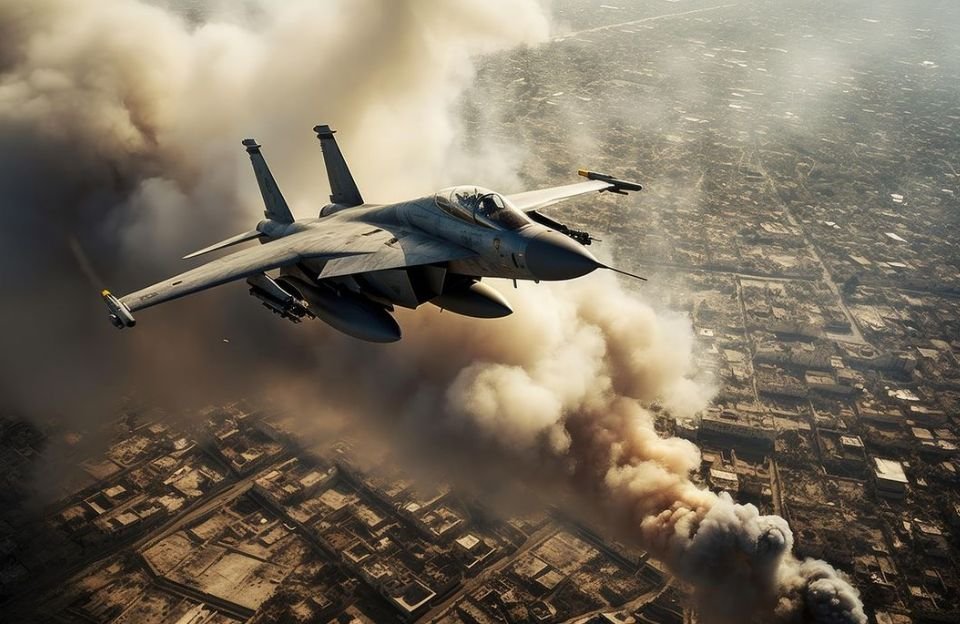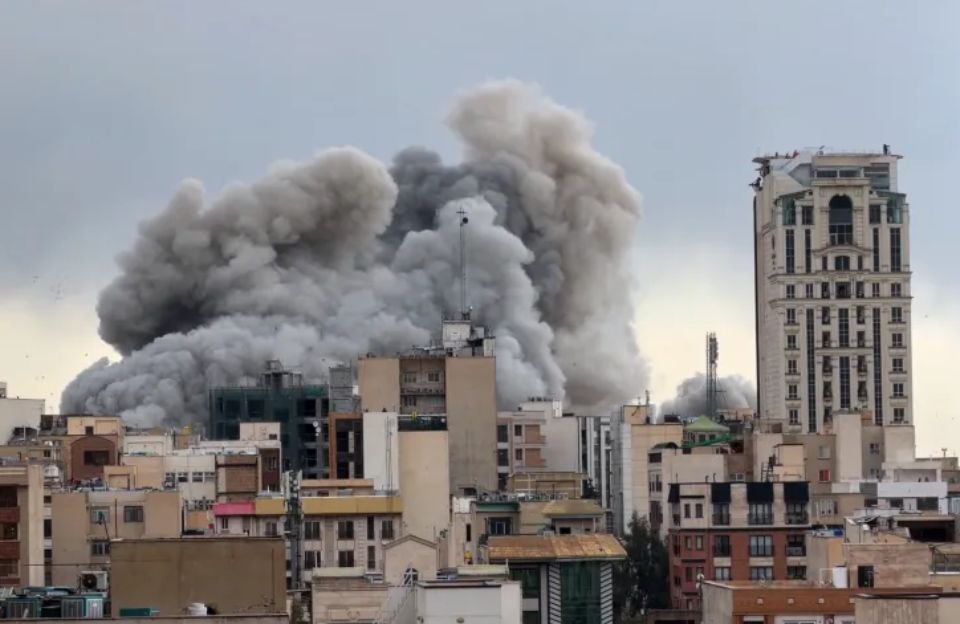
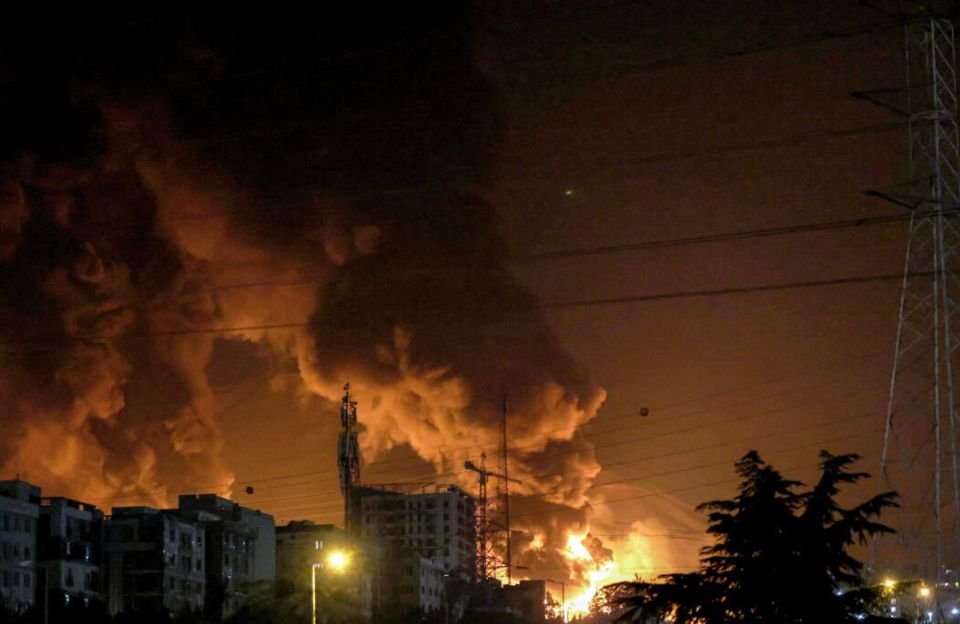
Iran missile attack on Israel leaves two injured in north amid escalating conflict, marking another serious development in the growing confrontation between the two regional rivals. According to Israeli authorities, waves of missiles were launched from Iran toward Israeli territory, triggering air-raid sirens across several areas and forcing residents to rush to shelters. Emergency services later confirmed that at least two people were injured in northern Israel following the missile barrage.
The latest strike has intensified concerns that the ongoing conflict could expand further across the Middle East. Israeli military officials stated that several missiles were detected heading toward the country, prompting defensive systems to be activated. Many of the incoming projectiles were intercepted by Israel’s missile defense systems, but the situation remained tense as explosions were reported in multiple locations. It was reported that emergency response teams were quickly dispatched to the impacted areas, where the injured individuals received medical treatment.
The escalation comes amid a broader cycle of retaliatory actions between Israel and Iran that has been unfolding over recent months. Tensions had already been heightened after Israel launched military strikes against Iranian targets as part of a wider security operation earlier in 2026. Those actions were followed by warnings from Tehran that retaliation would occur if attacks on Iranian territory continued. As a result, missile and drone exchanges have increasingly been reported in the region, fueling fears of a wider war.
Israeli officials emphasized that the country’s defense forces remain on high alert following the attack. Civil defense authorities urged residents to follow safety instructions and remain close to protected areas in case additional missile alerts are issued. Meanwhile, military analysts believe the repeated missile launches demonstrate Iran’s capability to strike targets across the region despite ongoing countermeasures by Israeli defense systems.
International reactions to the latest escalation have been swift. Several governments have called for restraint from both sides, warning that continued exchanges of attacks could destabilize the wider Middle East. Diplomatic channels are reportedly being used in an effort to reduce tensions and prevent the conflict from expanding beyond the immediate parties involved.
Despite those calls for de-escalation, the security situation remains volatile. Observers note that each new missile strike increases the risk of further retaliation and broader regional involvement. As the conflict continues to unfold, Iran missile attack on Israel leaves two injured in north amid escalating conflict remains a stark reminder of how quickly tensions between the two nations can escalate into direct military confrontation.
In the coming days, developments will be closely monitored by governments and security experts worldwide. The latest missile barrage has once again highlighted the fragile security environment in the region, where even a single attack can trigger significant geopolitical consequences. For now, both sides appear to remain on high alert as the crisis continues to evolve.