By Maya Patel, Senior News Editor
April 9 2026 – 06:05 GMT
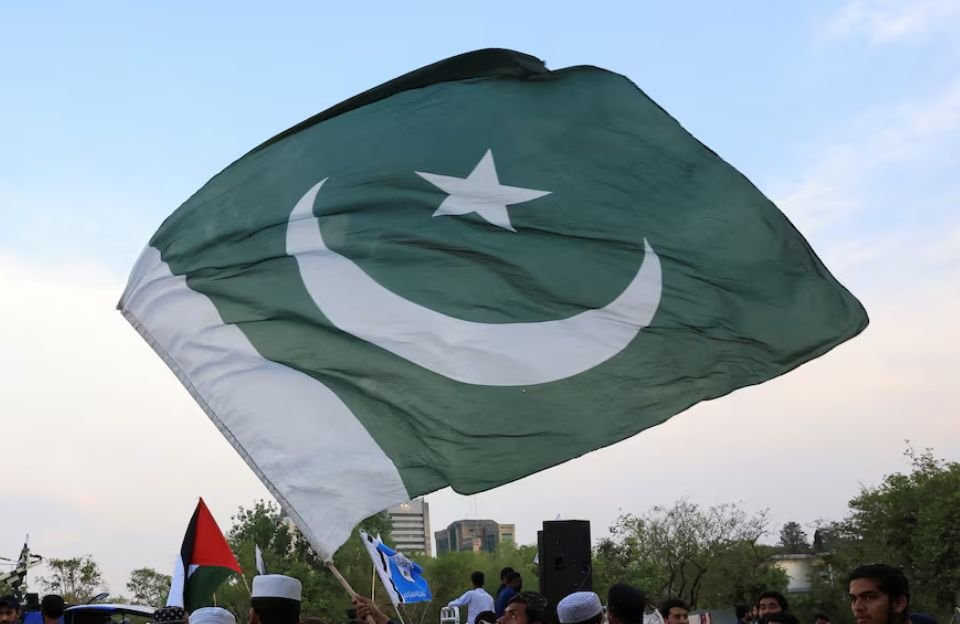
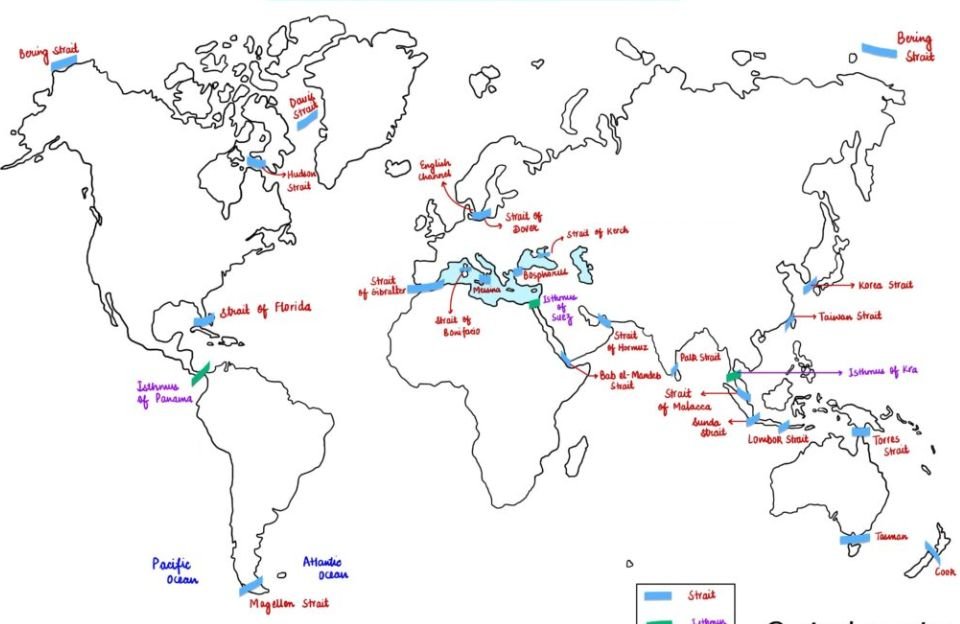
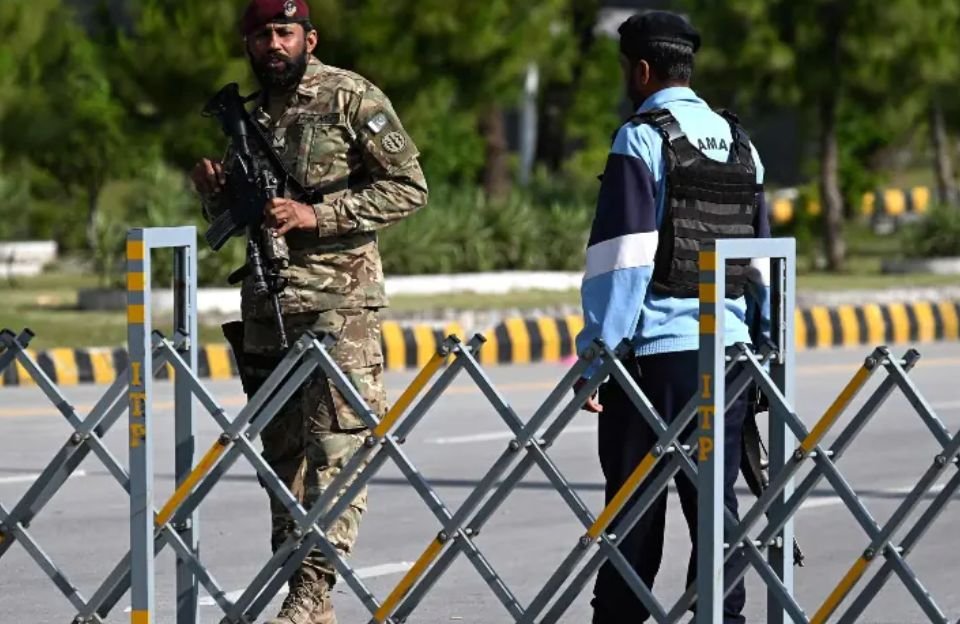
LONDON‑ISTANBUL‑TEHRAN – In an unprecedented diplomatic overture, Pakistan has taken the helm of a high‑stakes dialogue between Washington and Tehran, offering its capital as neutral ground for a series of closed‑door talks aimed at halting the flare‑up that has threatened the Strait of Hormuz for the past three weeks. The meetings, scheduled to run from Monday through Thursday at the newly‑opened Pak‑China Friendship Centre on the outskirts of Islamabad, come against a backdrop of heightened security alerts that have prompted the Pakistani government to seal off major thoroughfares, deploy additional paramilitary units and intensify airport screening procedures.
A volatile backdrop forces a diplomatic reset
The diplomatic sprint began after a series of tit‑for‑tat strikes roiled the Gulf in early March. An Iranian‑launched missile salvo that struck an Israeli‑operated cargo vessel in the Red Sea was answered by a series of Israeli air raids on Iranian‑linked facilities in Syria. Within days, U.S. naval drones, operating from the Fifth Fleet in Bahrain, blew up two Iranian‑affiliated oil‑platforms off Kuwait. The exchanges sent crude prices tumbling past $90 a barrel and pushed the price of regular‑unleaded gasoline in the United States to $3.84 per gallon – the highest level since the 2022 energy shock.
U.S. officials, wary of an escalation that could choke the flow of roughly 20 % of the world’s oil, signalled a willingness to explore a “temporary cessation of hostilities” on March 28. Tehran, meanwhile, warned it would not relent until Washington halted its “illegal sanctions” and ceased its overt support for Israel. As both sides circled for a diplomatic solution, Islamabad quietly stepped forward, offering a venue it has long cultivated as a “neutral meeting point for adversaries.”
Pakistan’s historic role as a mediator
Pakistan’s foreign ministry has a three‑decade‑long record of hosting back‑channel talks between rival regional powers. In 2015, Islamabad facilitated a low‑key meeting between the United States and Taliban representatives that paved the way for the Doha peace talks. More recently, Pakistani officials have shuttled between Riyadh and Tehran to defuse tensions over the Afghan peace process.
Prime Minister Shehbaz Sharif (who returned to office after the 2024 general election) announced on March 31 that “Pakistan stands ready to serve the international community by providing a secure, impartial environment for dialogue that can avert a wider war and protect the lives of millions who depend on uninterrupted oil shipments.” The government’s statement emphasized that the talks would be “conducted under strict confidentiality, with full respect to the sovereignty of each party.”
Who is at the table?
The U.S. delegation is headed by Secretary of State Antony Blinken, who arrived in Islamabad on Monday accompanied by a senior team that includes the National Security Adviser and a delegation of Treasury officials tasked with discussing possible sanctions relief. Iran’s delegation is led by Foreign Minister Hossein Amir‑Abdollahian, who arrived aboard a private jet after a diplomatic clearance was obtained from the Pakistani Ministry of Interior. Also present are senior officials from the Pakistani foreign ministry, led by Foreign Minister Bilawal Bhutto, and a modest contingent of United Nations observers tasked with monitoring compliance.
The agenda, as outlined in a joint communiqué released early Tuesday, focuses on three core issues: (1) an immediate, verifiable cease‑fire in the Strait of Hormuz; (2) a framework for the release of U.S. and Iranian detainees held in each other’s prisons; and (3) a roadmap that could eventually restore the 2015 Joint Comprehensive Plan of Action (JCPOA) pending mutual verification of nuclear activity.
Rising security alerts in Islamabad
While the diplomatic negotiations unfold, Pakistani authorities have been contending with a spate of security alerts that many analysts attribute to the heightened geopolitical tension. On Tuesday night, an anonymous threat was received at the Islamabad International Airport warning of a “potential explosive device” aimed at foreign delegations. Security forces responded by evacuating Terminal 2, conducting a thorough sweep with bomb‑detection dogs, and imposing a temporary ban on all international arrivals and departures for six hours.
Simultaneously, the capital’s traffic arteries were cordoned off after a suspected improvised explosive device (IED) was discovered near the Pak‑China Friendship Centre. “The device was safely neutralised by the Counter‑Terrorism Department,” said Interior Minister Salahuddin Sufi in a televised briefing. “We have heightened our alert level to ‘Red’ across the city, and a joint task force of the Islamabad Police, the Frontier Corps, and MI‑G (Military Intelligence – General) is overseeing every entry point.”
Intelligence officials, speaking on condition of anonymity, warned that extremist groups, including the Tehrik‑e‑Taliban Pakistan (TTP) and a splinter faction of the Islamic State Khorasan Province (IS‑KP), have threatened to “disrupt any dialogue that could be seen as a betrayal of the Muslim ummah.” The analysts added that the timing of the alerts—coinciding with the high‑profile talks—raises the specter of a “coordinated attempt to sabotage diplomatic progress.”
Regional reactions to the Islamabad initiative
The Saudi Ministry of Foreign Affairs issued a concise statement on Wednesday, welcoming Pakistan’s “constructive role” and urging “all parties to pursue a peaceful resolution that guarantees the free flow of oil through the Strait of Hormuz.” In contrast, Israel’s Foreign Minister Israel Katz dismissed the talks as a “temporary bandage” and warned that “any agreement that does not firmly curb Iran’s support for proxy groups in Lebanon and Gaza will be unacceptable to the Israeli public.”
India, a long‑time rival of Pakistan, voiced cautious optimism. A senior official at the Ministry of External Affairs told reporters that “regional stability is a shared priority,” and that New Delhi remains “watchful of any development that could shift the strategic balance in the Gulf.” Beijing, a close ally of Islamabad, offered logistical support, dispatching a Chinese‑built surveillance aircraft to monitor the airspace around the meeting venue, and later released a diplomatic note praising “Pakistan’s courageous effort to defuse a volatile situation that threatens global energy security.”
Russia’s Foreign Ministry, meanwhile, warned against an “American‑led paradigm shift” that could further marginalize Tehran, urging that “any resolution must respect Iran’s sovereign right to peaceful nuclear technology.”