Fragile U.S–Iran Ceasefire Raises Global Tensions Over Oil Supply
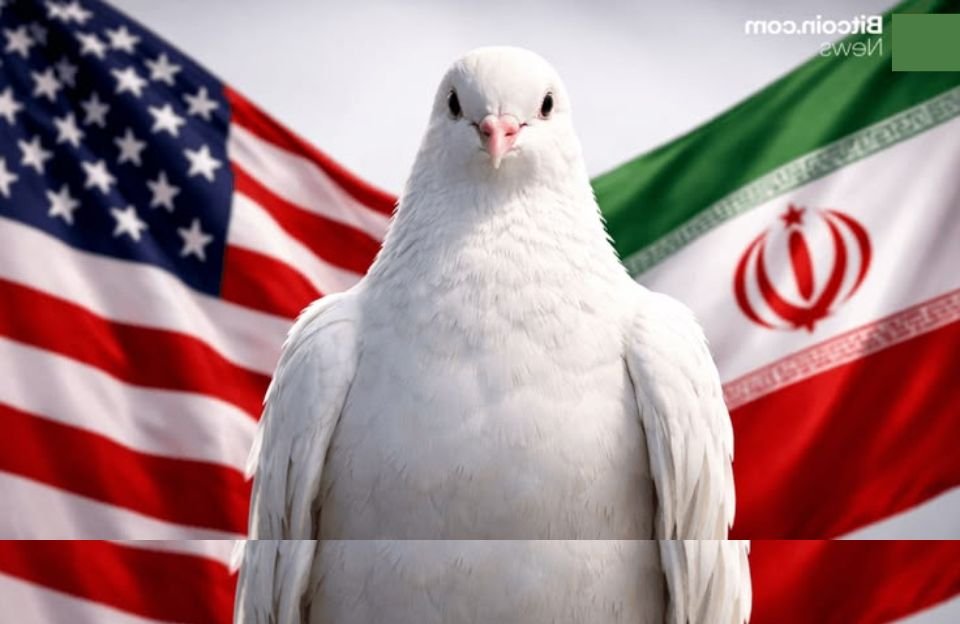
The world woke to news that changed Markets rhythm again. A fragile U.S– Iran ceasefire came into effect and instantly produced more questions than comfort. Traders, diplomats, and ordinary families shared the same reaction—a cautious hope mixed with rising anxiety.
In Islamabad, the first official statements arrived before sunrise. By mid‑morning, screens in trading rooms from New York to Dubai showed the same headline. The ceasefire sounded peaceful, yet markets moved as if war had just been declared.
Oil Prices Jump and Markets React
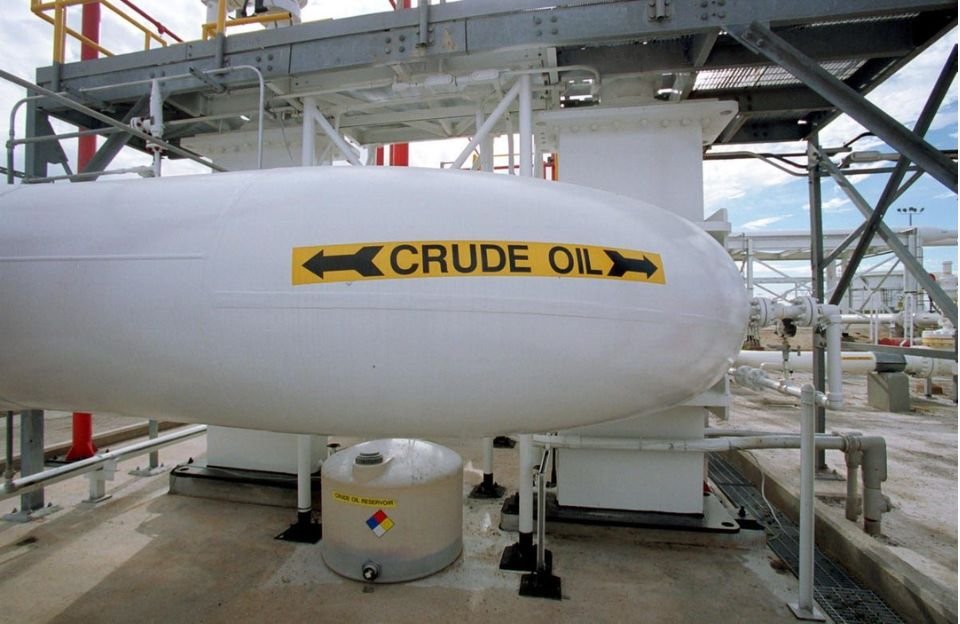
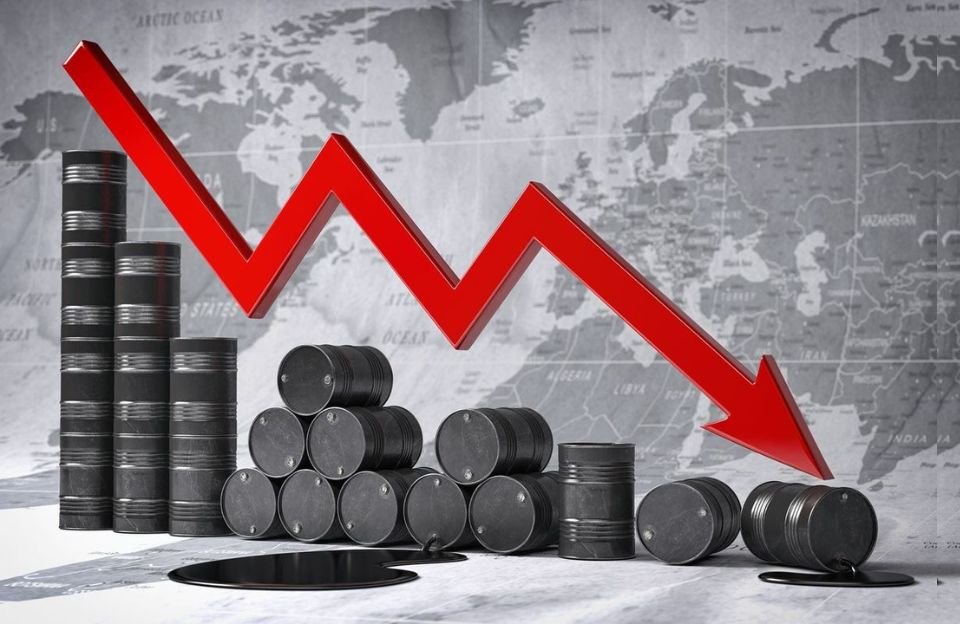
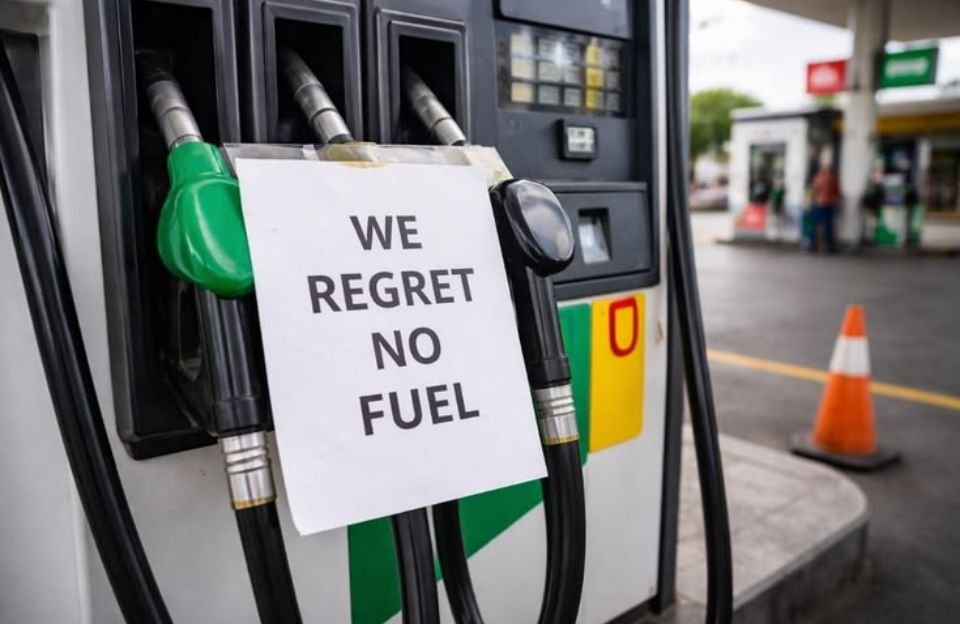
Almost immediately, oil prices began to surge. Brent crude climbed above one hundred dollars a barrel. Within hours, the excitement turned to worry. Energy desks buzzed with speculation about shortages, sanctions, and shipping delays.
Analysts explained that investors fear uncertainty more than anything. The ceasefire looked temporary. Everyone wondered whether missiles would fly again before the month ended. In a fragile situation, fear alone can inflate prices.
Global markets echoed that fear. On Wall Street, energy stocks rose and then fell within the same hour. Trading screens flickered red as funds shifted from long‑term investments to emergency hedges. In London and Tokyo, analysts debated whether this was a correction or the start of a new crisis.
Still, optimism refused to disappear completely. Some traders insisted that even a short breathing space between Washington and Tehran might help calm the Middle East. They argued that small steps sometimes bring real progress. Others warned that peace built on politics alone cannot hold for long.
A Ceasefire Wrapped in Tension
The fragile U.S.–Iran ceasefire raised hope for diplomacy yet exposed deeper problems. Each side demanded proof of good faith before taking further risks. That cautious stance slowed progress.
Meanwhile, nearby conflicts kept the atmosphere tense. Israeli jets carried out overnight strikes in southern Lebanon. Hezbollah answered with rockets, drawing concern across the region. Many observers saw this as evidence that one truce cannot silence an entire neighborhood of disputes.
Families in Beirut and Tyre fled their homes after news of the cross‑border exchange. “We have seen this pattern before,” said journalist Leila Hassan. “A fragile ceasefire in one corner breeds explosions in another.”
As the day wore on, diplomats tried to separate local clashes from the broader peace process. Still, the images of burning rooftops filled television screens and sent shockwaves through embassies. Between the headlines of peace and photos of fire, the world struggled to decide which story to believe.
The Strait of Hormuz Under Watch
While politicians spoke about treaties, ships waited at sea. The Strait of Hormuz, a narrow waterway that carries nearly a fifth of the world’s oil, became the focus again. Tankers drifted at half speed as insurance premiums soared.
Maritime officers reported delays lasting several hours. Many captains preferred caution to movement. “We stay still until instructions arrive,” said Captain Omar Nasseri by radio from a Bahraini vessel. “At night, the water feels heavy with uncertainty.”
These pauses may sound small, yet each delay increases global pressure. When fuel leaves docks late, factories wait. When factories slow down, prices climb. The chain reaches every driver filling a tank or traveler buying a ticket.
Regional officials promised more naval escorts and clearer communication lines. For now, though, the world’s busiest oil route remains a measured walk between safety and tension.
Leaders Call for Calm While Fear Grows
Governments reacted with haste. Within hours, the United Nations called an emergency meeting in Geneva. Delegates from more than thirty countries joined the session, urging both Washington and Tehran to honor their commitments.
The U.N. Secretary‑General reminded them that diplomacy works only when actions follow promises. “Peace without compliance is noise,” he said firmly.
From Washington came reassurances that the ceasefire still stands. Tehran responded with equal caution, claiming that responsibility must be shared. “We expect respect,” one spokesperson declared. Global reporters quoted the line across every newswire.
Even as leaders debated, economic ministers warned about inflation. The U.S. Federal Reserve expressed concern that increased fuel costs could cool growth again. European governments worried about household bills during the coming winter. Everywhere, citizens felt that this crisis might cross oceans before it ends.
Economic Ripples Travel Fast
Within a day, the numbers spoke louder than press statements. Crude climbed, then slipped, then climbed once more. Airlines adjusted fuel payments every few hours. Shipping companies quietly canceled new voyages until prices stabilized.
In Tokyo, insurance brokers spent the night rewriting risk clauses. In Frankfurt, industrial firms trimmed production schedules and delayed cargo shipments. For households already struggling with inflation, the new uncertainty felt like another blow.
Economists compared the turmoil to a tremor that shakes even solid ground. “Every oil spike cuts growth by a fraction,” said economist Rafiq Al‑Noman. “A series of spikes leaves a crack across the entire year.”
Meanwhile, retailers and small businesses tried to adapt. A bakery owner in Cairo complained that transport fees rose twice in one week. “Every delivery now costs more. Customers ask why bread is expensive again,” he said. Such stories explain how fast the impact travels from oil fields to dinner tables.
People Living the Consequences
Behind the charts and commentary lie human lives. In a dusty village near Iran’s southeastern border, farmer Ahmed Hosseini surveyed what remained of his fields. Last month, stray shelling had ruined most of his crops. Now, he waits for fuel deliveries to restart irrigation.
“I hear words about a ceasefire,” he said, “but I need tractors moving, not speeches.” His frustration mirrors the mood of countless families who have endured years of tension without yet seeing relief.
Across Tehran, the streets feel both calmer and more anxious. Cafes fill again in daylight, yet every conversation circles back to the fragile U.S.–Iran ceasefire. Young people wonder how long it can survive. Parents talk about job security, rent, and rising grocery costs. Everywhere, hope seems paired with restraint.
Corporations and Policymakers Rethink Strategy
Global businesses now review operations under new scrutiny. Energy companies like Shell and TotalEnergies slow their exploration plans. Aviation firms seek cheaper routes to offset higher fuel prices. Financial centers such as Dubai and London organize emergency panels to manage volatility.
In Doha and Abu Dhabi, ministers discuss regional cooperation models to prevent wider panic. Economists praise these talks as early signs of responsibility beyond borders. “The Gulf protects its future together, or we all lose,” said policy analyst Sara Mehdi.
If cooperation increases, local stability could flow outward. Yet officials admit the effort is fragile, just like the ceasefire itself. One misstep could undo months of progress. Every decision now feels both essential and delicate.
Hope Survives Under the Pressure
Despite the stress, words of optimism still surface. Some experts believe this fragile deal might lead to a longer diplomatic process. They argue that the shared fear of market collapse naturally forces patience on both sides. The greater the risk, they say, the greater the incentive to cooperate.
“These moments test maturity,” observed veteran mediator Nadia Rahim. “Maybe the world finally understands that oil and peace move together.” Her words captured what many ordinary people already sensed—that the planet’s energy and its empathy remain forever linked.
For now, uncertainty guides decisions from trade desks to small shops. Yet even in that uncertainty, a slim hope grows. Diplomacy, though fragile, is moving forward one cautious step at a time.
The fragile U.S.–Iran ceasefire raises global tensions over oil supply, but it also proves that conversation can still slow conflict. The next few weeks will decide whether fear wins again or whether, finally, dialogue keeps the world warm without fire.