Pakistan’s Mediation of the U.S.-Iran Ceasefire Shows Central Role in Global Politics
The sun rose over Pakistan’s Islamabad with a new kind of glow. Streets that usually carried a rush of morning traffic now held a quiet excitement. Diplomats, reporters, and ordinary citizens moved slowly toward Parliament Square, drawn by history in motion. In the crisp air came a feeling that something greater than politics was unfolding before their eyes.
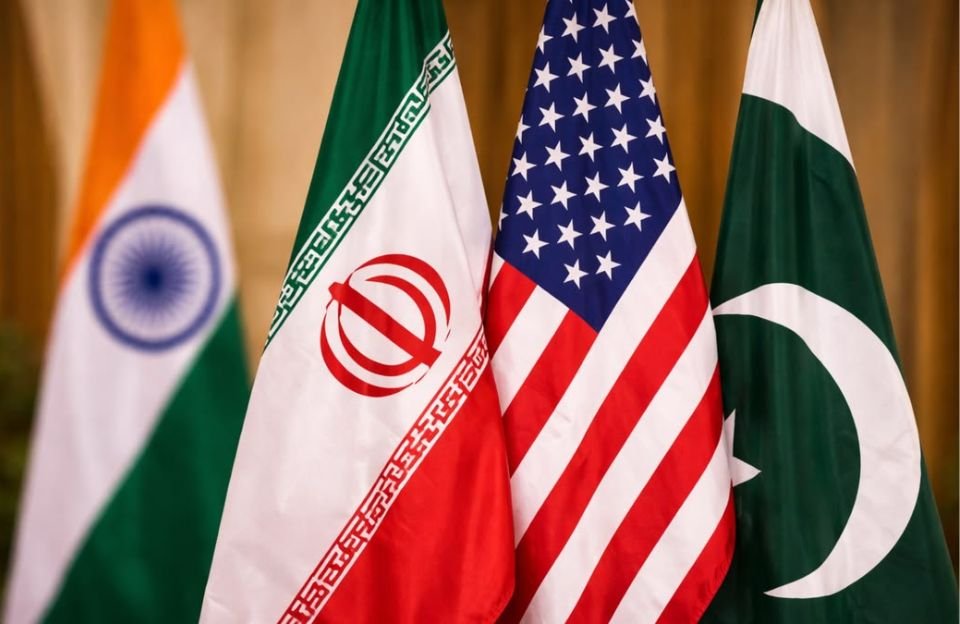
At the center of the crowd, Pakistan’s flags rippled gently in the morning wind. The country’s foreign minister stood before the press and spoke a simple truth. Pakistan, once seen only as an observer, had helped make peace possible. Within seconds, the announcement of the U.S.-Iran ceasefire raced through digital screens and airwaves. Cameras flashed, applause rang out, and the moment turned symbolic. For the first time in years, Pakistan stood squarely at the center of world diplomacy.
A Return to Dialogue After Years of Silence
For decades, the U.S.-Iran conflict defined the region’s fate and dictated oil prices, trade flows, and even public emotion. Each side clung to deep distrust, while every round of negotiations ended abruptly. Consequently, financial markets trembled, energy costs soared, and businesses held their breath. Every silence between Washington and Tehran carried measurable cost.
Then, Pakistan reintroduced words where silence had settled. The country offered its capital, its diplomats, and most importantly, its neutrality. While global leaders debated sanctions and obscure nuclear clauses, Pakistan quietly re‑opened lines of trust. Late in 2023, Iranian officials called for dialogue. Soon after, Washington finally listened.
With that exchange, genuine conversation returned. Inside quiet conference rooms, negotiators began assembling the foundation of a new peace. Each word carried weight. Each promise bridged fear and hope. Gradually, transitional arrangements on border security, energy trade, and humanitarian travel found space. Under the United Nations’ supervision, both sides agreed to one value they had long forgotten — peace, however fragile, had more worth than pride.
How Pakistan Shaped Every Step
From that point, Pakistan’s delegation worked around the clock. Meetings frequently stretched until first light. Despite tension, every session stayed deliberate and grounded. No one chased headlines; everyone chased progress. Step by step, Pakistani negotiators translated doubt into understanding.
Most talks unfolded in secure venues scattered between Islamabad and Geneva. Delegates arrived and departed separately, yet all exchanged ideas through Pakistani envoys who served as interpreters, confidants, and couriers. Those mediators ensured that each clause matched both cultural tone and political meaning.
When signing day finally arrived, exhaustion mingled with relief. In Parliament Square, banners carried the words Peace Wins Strength. The crowd watched as the foreign minister broke the seal of the new accord. Within a single minute, years of hostility shifted toward cautious applause.
Through persistence, Pakistan delivered what greater powers had not — balance. Neither Washington nor Tehran felt humiliated; both left with dignity intact. Thus, Pakistan proved that middle nations could influence history when reason guides ambition.
Human Stories of a Changing Season
As the ink dried, ordinary life also changed. The ceasefire quieted not only weapons but worry.
In Lahore, travel‑agent Wajid reopened flight bookings to Tehran. “Before, every flight felt like a gamble,” he said. “Now, people call asking when the next plane leaves.” His small office, once silent, buzzed again with printers and phone calls.
Meanwhile, in Peshawar, televisions in shop windows glowed with live coverage. Children pointed at the handshake replayed on every channel. Their parents smiled — not because war had vanished, but because dialogue had returned. “I can breathe again,” a mother said softly. “This feels like safety.”
Even far from borders, people noticed the shift. In Karachi’s port district, workers saw ships line the horizon again. Shipping delays that had strangled trade began clearing. The sea smelled of salt and renewal.
All across Pakistan, these tiny stories echoed a single reality: diplomacy affects families more than ceremonies. Markets, homes, and classrooms regained movement because words succeeded where weapons had failed.
Business Finds Its Footing Again
Economic change followed as swiftly as sunrise. Oil prices dipped soon after tankers resumed safe passage through the Strait of Hormuz. The drop in energy costs travelled from Gulf ports to global markets within hours. Airlines trimmed fare prices, factories restarted idle boilers, and stock indices from Karachi to London rose in unison.
Pakistani banks, sensing stability, attracted new deposits from regional investors. Trade partnerships crafted during negotiations expanded rapidly. Confidence spread like current through supply chains.
Amira Saeed, head of a large textile firm, summed up the feeling. “After months of waiting, we have movement again,” she said. Her company, dependent on imported fuel, saw immediate savings. “Confidence is our currency,” she added. “This agreement restored both.”
Recognition From Across the World
Soon, acknowledgement flowed in from every direction. The U.S. Secretary of State called the process “a model of clear‑eyed patience.” Iran’s Foreign Minister praised Pakistan for “opening a door when others built walls.”
The United Nations issued a statement crediting Islamabad for truthful communication and transparent monitoring. European leaders echoed the praise, urging further cooperation on science, energy, and humanitarian work through Pakistan’s channels.
At that point, the phrase Pakistan’s mediation of the U.S.-Iran ceasefire shows central role in global politics ceased being a slogan and became a description. In practice, Pakistan had turned its geography into influence and its neutrality into credibility.
A Deeper Shift in the Political Landscape
Along with applause came reflection. Scholars and strategists began debating how Pakistan’s diplomacy had redrawn its global identity. For decades, commentary focused on its border tensions or economic challenges. Now, a new story replaced the old narrative.
Dr. Javed Khan of the National University in Islamabad explained it best: “We have shown that leadership comes from calm thinking, not sheer size.” His optimism found an echo across ministries and media.
Inside the government, teams started planning for broader mediation roles across South and Central Asia. Training centers introduced courses on peace facilitation, ethics, and cross‑cultural negotiation. For younger diplomats, this success offered both example and mission.
The Road Ahead After the Ceasefire
Still, officials know peace requires constant tending. The ceasefire marks the beginning, not the completion, of a longer journey.
Next month, Pakistan will host follow‑up meetings focusing on humanitarian corridors and gradual sanction relief. Both Washington and Tehran have confirmed attendance. Success in these sessions could build the next layer of trust.
Of course, obstacles remain. Deep‑rooted suspicion on both sides might resurface. Economic stress could stir renewed argument. Nonetheless, Pakistani mediators believe transparency can limit friction. They plan to maintain verified data exchanges and routine check‑ins so that communication never collapses again.
Meanwhile, ordinary Pakistanis continue watching with measured hope. They understand diplomacy grows slowly yet strengthens with time. As one Islamabad university student put it, sipping tea by a newsstand, “Politics divides countries, but talking saves lives.”
That idea captures the lesson behind every headline.
Pakistan’s mediation of the U.S.-Iran ceasefire shows central role in global politics because it demonstrates how dialogue, when carried with patience, can reshape economies, rebuild trust, and remind the world that leadership flows from listening.
On that bright morning in Islamabad, as flags swayed above a crowd filled with pride, Pakistan proved one simple, lasting point: conversation still changes history.