Dubai’s Hidden Billion-Dollar Portfolio: 17,000 Pakistanis Own 23,000 Properties Valued at $13 billion
A huge number of Pakistanis now own property in Dubai.
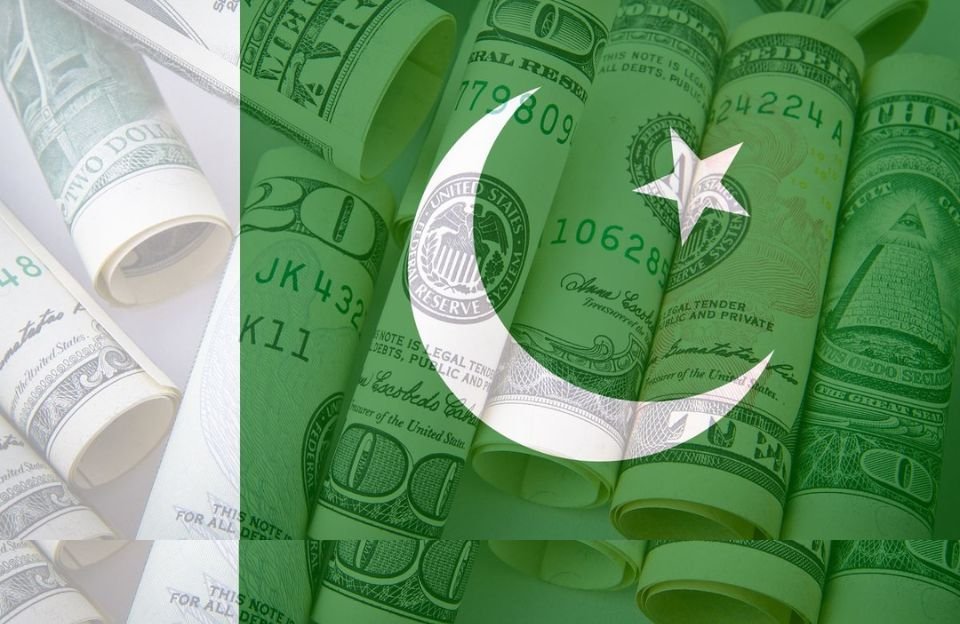
Around 17,000 people hold about 23,000 properties worth $13 billion.
That figure has drawn attention from investors, tax experts, and policy makers.
So, this story now reaches far beyond one city or one community.
Dubai has long attracted foreign property buyers. Still, the scale of Pakistani ownership stands out.
It shows how deeply connected the diaspora is to the emirate.
It also raises questions about where that money comes from and where it could go.
For many Pakistani families, Dubai property feels like a safe bet.
They trust the system, the growth, and the legal clarity.
Back home, inflation and housing gaps create fear. So, buying abroad often feels like a smarter move.
That does not mean the issue is simple. It touches tax policy, capital flow, and national development.
It also touches personal dreams and family planning.
That is why the numbers have sparked such a wide debate.
Where Pakistanis own property in Dubai
Pakistani owners do not spread evenly across the city. Instead, they concentrate in a few well-known areas.
Dubai Marina leads with high-rise apartments popular among families. Jumeirah Lake Towers also draws strong interest.
Al Barsha and Dubailand attract buyers who want villas.
These areas offer space, schools, and community life.
Meanwhile, Palm Jumeirah draws wealthier buyers seeking luxury homes.
Business Bay also holds mixed-use units tied to commerce.
That pattern makes sense. Buyers often settle near people they know and trust.
Pakistani schools, mosques, and business networks sit in these zones.
So, community ties help shape where people invest.
The split between living and renting also matters.
About 70 percent of owners live in their properties.
The other 30 percent use them as rental income sources.
That mix shows both personal need and investment thinking.
Why so many Pakistanis buy property in Dubai
Several clear reasons explain the trend. First, remittances from the Gulf have grown steadily.
Pakistani workers in the UAE send billions home each year.
A share of that money now flows into Dubai property.
Second, Dubai offers strong legal and tax benefits. There is no income tax on rental earnings.
Foreigners can own property fully in many parts of the city.
And the buying process now takes less than 48 hours online.
Third, Pakistan’s own economy creates push factors. Inflation there has stayed high for years.
The housing market feels uncertain to many families.
So, Dubai looks more stable and more predictable.
Fourth, community networks make buying easier.
Groups like the Pakistani Businessmen’s Association offer guidance.
Families also pool money together in joint accounts. That shared approach lowers the barrier for each person.
Together, these forces create a strong pull toward Dubai.
People want safety, growth, and something solid to pass down.
Dubai property offers all three. That explains why the numbers keep rising.
What this means for Pakistan
This story also raises important questions back home.
Critics say $13 billion abroad could help fix Pakistan’s housing gap.
The country needs over two million new homes. So, some see offshore property as a lost opportunity.
That view has merit, yet it also misses context. Most of these buyers earn money abroad.
They send remittances home and still invest in Dubai.
So, the money does not always come from Pakistan directly.
Still, Pakistan now wants a bigger share of that wealth.
The government launched a disclosure plan for overseas property owners.
It offers a lower tax rate for those who register their holdings. So far, over 4,200 people have signed up.
That program has raised $75 million in new tax income.
It also shows that many diaspora members will cooperate.
If Pakistan offers fair terms, more may follow. Trust and simplicity matter more than pressure in these cases.
Trade and business ties also grow
Property ownership connects to more than just housing.
Many Pakistani owners in Dubai also run businesses there. They work in trade, logistics, tech, and services.
Those links help grow commerce between the two countries.
Pakistan-UAE trade rose by $3.2 billion in 2025. Part of that growth came from diaspora-driven networks.
When people own homes and run businesses, ties deepen.
That kind of connection supports both sides over time.
So, property in Dubai is not just about wealth storage. It also builds bridges that support jobs and growth.
That wider view helps explain why some leaders support the trend.
It brings value beyond the individual buyer.
Risks still exist on both sides
Even with strong demand, risks remain real. Dubai’s property market depends on global interest rates.
When rates rise, prices often dip. That happened in late 2025 when values fell about four percent.
Anti-money laundering rules also continue to tighten. Dubai now requires proof of income for large purchases.
That protects the market but also slows some transactions. Buyers must now prepare more paperwork than before.
Pakistan may also introduce a wealth tax on foreign assets.
If that happens, some buyers could pull back. Others may restructure their holdings.
Either way, new rules would change the calculation.
Market shifts, policy changes, and global shocks all carry weight.
So, no one should treat Dubai property as risk-free.
Even in a strong market, caution matters. That is something every buyer should keep in mind.
What could happen next
Looking ahead, forecasts suggest steady but modest growth.
Property values in Dubai could rise three to four percent per year.
That would keep Pakistani holdings growing in value over time.
Still, much depends on policy, rates, and global conditions.
A tax deal between Pakistan and the UAE could also help.
Both countries are working on an information-sharing agreement.
That could reduce double taxation and improve trust.
It would also bring more holdings into the open.
If Pakistan offers real investment options at home, capital may return.
Some estimates say up to $2 billion could come back by 2029.
That would help housing, construction, and local economies.
But it requires fair rules and strong trust.
Final thoughts on Dubai’s Hidden Billion-Dollar Portfolio: 17,000 Pakistanis Own 23,000 Properties Valued at $13 billion
This story shows how deeply connected Pakistani families are to Dubai.
They buy property for safety, income, and family legacy.
That pattern reflects both opportunity and real concern.
It also creates space for smarter policy on both sides.
The $13 billion portfolio is not just a number.
It represents choices, fears, and hopes.
It reflects how people protect their futures when trust at home feels thin.
And it challenges leaders to create better paths for investment.
In the end, diaspora wealth can help or hurt a home country.
The difference depends on how governments respond.
With fair rules, clear incentives, and honest systems, this money can return.
Without them, it will likely stay in Dubai.