Tesla (TSLA) reportedly developing a new smaller, cheaper EV after shelving the Model 2
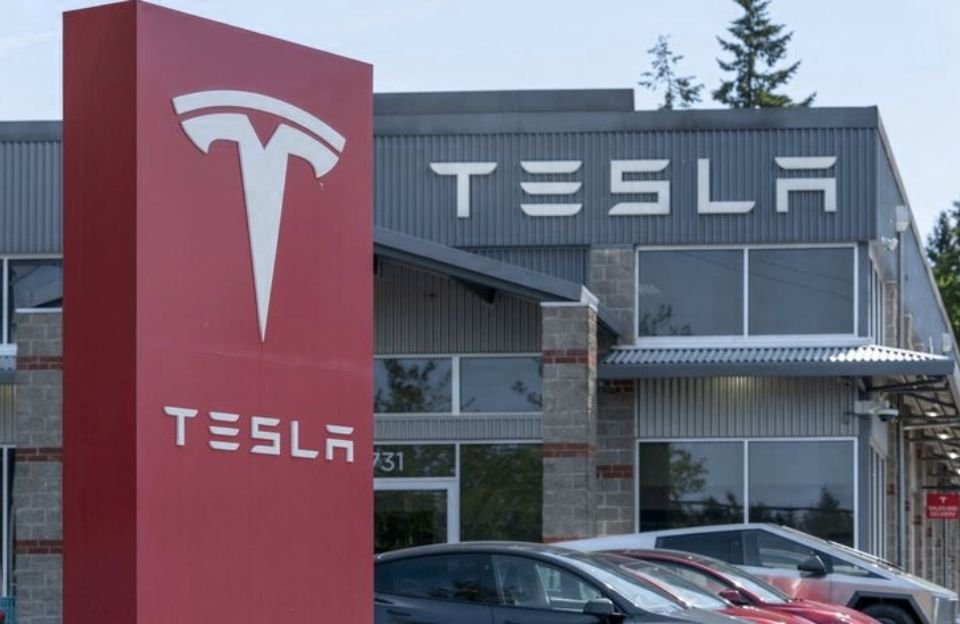
Tesla may finally build the cheap electric car many people have waited for.
That news matters because the company shelved its original Model 2 plan.
Now, new reports say Tesla has returned to the same basic idea. So, the dream of a $25,000 Tesla may not be dead after all.
That shift could change a lot. Tesla has focused on premium cars like the Model S, X, 3, and Y.
Those vehicles helped build the brand and drive profits. However, they also left millions of buyers priced out.
A cheaper Tesla could unlock a much larger market.
It could also help the company compete with rivals like BYD and Hyundai.
Those brands already sell affordable EVs around the world.
Tesla has watched that space grow without offering a direct answer.
Now, that may change.
If reports prove accurate, the company is working on a smaller, lighter, simpler car.
That vehicle could arrive in the next few years. And if it does, it may reshape Tesla’s future.
Tesla shelved the Model 2, but the goal stayed alive
The original Model 2 plan started years ago.
Elon Musk spoke about a $25,000 car for the masses back in 2019.
Investors and buyers reacted with excitement right away.
A Tesla at that price would open the brand to everyday families.
However, Tesla later shelved the project. The company said it needed to focus on Model Y production instead.
Battery supply issues also played a role. So, the Model 2 faded from official talk.
That did not kill the idea, though.
According to new reports, Tesla has revived the concept under a new name.
The project now goes by “Project Aurora” internally. And it appears to use a different design approach than the original plan.
That change matters because it suggests Tesla learned from the first attempt.
The new platform reportedly uses front-wheel drive instead of dual motors.
It also relies on simpler materials and a lighter body.
Those choices may help cut costs without cutting too much performance.
What the new cheaper Tesla might look like
Reports describe the new car as a compact five-door hatchback or sedan.
It would measure around 4.2 meters long, which makes it smaller than the Model 3.
That size fits the global compact car market well.
It also helps keep weight and material costs low.
The drivetrain would use a single front motor instead of dual motors.
That removes complexity and lowers production costs.
It also cuts assembly time on the factory line.
So, Tesla may build these cars faster than current models.
The battery would also shrink compared to other Teslas.
Reports suggest a 36 to 48 kWh pack using updated 4680-type cells.
That smaller pack should still deliver around 250 to 280 miles of range.
For most daily drivers, that would feel like plenty.
The target price sits between $19,800 and $24,500 before incentives.
That would make it the cheapest Tesla ever.
It would also put the car well below most current EVs in the U.S.
At that price, the car could attract a huge number of new buyers.
Why Tesla needs this car now
Tesla faces new pressure from several directions. First, the company saw a revenue drop in late 2023.
That dip showed that growth may not continue without new models.
A cheaper car could help restart volume growth fast.
Second, competition has grown much stronger.
BYD now sells affordable EVs in huge numbers worldwide.
Hyundai and Kia also offer well-priced electric cars with solid range.
Tesla does not have an answer in that price bracket yet.
Third, many buyers simply cannot afford a $40,000 to $60,000 car. They want an EV, but they need a lower price.
That gap now represents millions of potential customers. A sub-$25,000 Tesla could capture many of them.
Fourth, government policies now favor mass-market EVs.
Incentives often target cheaper cars that more people can buy.
So, a low-cost Tesla would fit policy goals in the U.S., Europe, and China.
That alignment could help Tesla win more support and subsidies.
Stock market and analyst reaction has been strong
News of the project lifted Tesla’s stock price in after-hours trading.
Investors clearly like the idea of a cheaper, high-volume car.
Morgan Stanley even raised its price target on Tesla shares.
The firm said a $25,000 car could unlock 30 to 40 million new buyers.
Still, not everyone feels as confident. Some analysts warn that Tesla has missed timelines before.
The Model 3 took longer than expected. The Cybertruck faced major delays too.
So, skeptics want proof that Tesla can deliver on time and on budget.
They also worry about battery costs and supply-chain stability.
If lithium prices spike again, the whole plan could slip.
That risk keeps some investors cautious despite the hype.
Production challenges could slow the plan
Tesla faces several big hurdles before the car reaches showrooms.
First, the company must hit a battery cost below $80 per kilowatt-hour.
That target looks possible, but it has not happened at full scale yet.
Any delay there would hurt the economics of the project.
Second, Tesla needs to meet updated U.S. safety standards. Lighter cars must still pass tough crash tests.
Meeting those rules without adding heavy steel may prove tricky.
That could force design changes that add cost or cut range.
Third, supply-chain risks remain high. The project depends on lithium from a Japanese joint venture.
If that supply tightens, production could stall. Global demand for lithium keeps rising, so that risk feels real.
Fourth, Tesla’s factories need retooling for the new platform.
Both the Texas and Shanghai plants will need new equipment.
That work takes time and money. Any problem there could delay the launch.
What this means for the wider EV market
If Tesla pulls this off, the whole EV market could shift. A reliable $22,000 Tesla would force other brands to respond.
They might drop prices, speed up launches, or rethink their strategies. That kind of competition often helps buyers in the end.
The move could also change battery demand patterns.
Smaller, cheaper packs would become more common.
That could push suppliers toward different chemistries and sizes.
Over time, that may lower costs across the industry.
However, if Tesla struggles with the launch, the opposite could happen.
The company might retreat into its premium niche again.
That would leave the affordable EV space to Chinese and Korean brands.
And Tesla’s growth story might slow down for years.
Final thoughts on Tesla (TSLA) reportedly developing a new smaller, cheaper EV after shelving the Model 2
This project matters because it tests whether Tesla can return to its roots.
The company once promised to make EVs for everyone.
Then it focused on luxury and profit margins. Now, it may try both at once.
A cheap Tesla would reshape the brand and the market.
It would also challenge rivals who have grown comfortable in that space.
Still, the road from report to reality often twists and bends.
Tesla has a history of bold promises and delayed results.
So, buyers and investors should stay cautious but hopeful.
The idea makes sense. The timing feels right. The question now is whether Tesla can execute.
And until the first cars roll off the line, that question will remain open.