Allegations Fly: Trump Asserts That an Entire Civilization Will Collapse Tonight
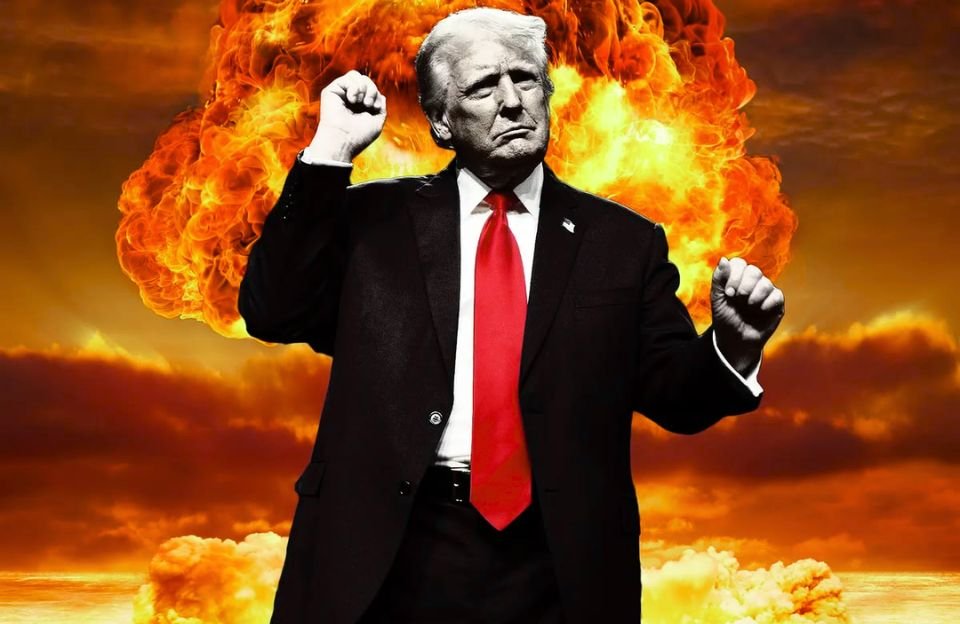
Donald Trump’s knows how to seize a news cycle. He did it again with one explosive line. During a recent appearance, he warned that “an entire civilization will collapse tonight.” That statement spread fast. It moved through political circles, social platforms, and news sites within hours.
Naturally, people wanted context. What did Trump mean? Was he warning about war, public distrust, or failing institutions? He did not fully explain the remark. That gap created space for debate. It also gave his critics and supporters room to shape the story.
Even so, one thing stands out. Trump often uses dramatic language to force attention. He prefers urgency over caution. He likes sweeping warnings over narrow policy points. As a result, his words rarely stay inside the room. They travel fast, and they hit hard.
Trump Asserts That an Entire Civilization Will Collapse Tonight and Sparks Immediate Debate
The remark came during a tense public moment. Trump had been discussing global instability, misinformation, and political trust. Then he delivered the line that changed the mood. Reporters paused. Commentators leaned in. Social media exploded soon after.
Because of that, reactions split at once. Some people heard a metaphor. Others heard a reckless overstatement. A few believed he was issuing a real warning about a major threat. In politics, tone often shapes meaning. Here, the tone did much of the work.
Trump has long relied on language like this. He turns policy fights into existential struggles. He frames opponents as dangers, not rivals. . Therefore, this latest line fits a pattern.
Still, the timing made it sharper. Public trust already feels thin. Global tensions remain high. Many voters feel weary, anxious, and angry. So, a statement like this can find fertile ground.
Why Trump’s Words Caught Fire So Fast
Trump understands media attention better than most modern politicians. He knows that a blunt sentence can outshine a long speech. He also knows that outrage can fuel reach. So, his language often aims for maximum impact.
This time, the phrase “entire civilization” did the heavy lifting. It sounded vast, urgent, and cinematic. It also invited fear. Fear spreads quickly online. In turn, platforms reward the posts that stir the strongest reaction.
That dynamic helps explain the rapid fallout. Clips circulated almost at once. Users posted reactions, jokes, warnings, and theories. Some accounts treated the line like proof of danger. Others mocked it as another Trump stunt. Either way, the quote stayed alive.
Meanwhile, cable panels and podcasts picked it apart. Analysts debated motive and meaning. Some focused on misinformation. Others focused on political style. A few asked whether the line pointed to a real policy concern. Yet none could ignore it.
Misinformation and Public Fear Sit at the Center
At its core, the remark touched a deeper issue. Misinformation has become a central fear in public life. False claims now shape views on health, war, elections, and crime. Because of that, trust keeps eroding.
Trump seemed to point toward that crisis. He suggested that repeated falsehoods can destroy social stability. In broad terms, that concern is real. Lies can poison debate. They can also weaken institutions and inflame conflict.
However, critics quickly raised an obvious objection. Trump himself has faced years of scrutiny over false or misleading claims. So, when he warns about misinformation, many people see irony. That tension adds another layer to the reaction.
Still, the issue reaches beyond one figure. Modern politics now runs through speed, outrage, and tribal loyalty. Facts often arrive late. Emotion often arrives first. Therefore, a warning about misinformation can resonate even when the messenger divides opinion.
Supporters Call It a Warning, Critics Call It a Stunt
Trump’s supporters defended the remark almost at once. They said he spoke in moral terms, not technical ones. In their view, he warned about cultural decay, state failure, and media distortion. They argued that he used vivid language because the stakes feel real.
Both reactions make sense within today’s political climate. Trump has built a brand around confrontation. His base often rewards forceful language. His opponents often see danger in that same style. So, each new remark enters an already divided audience.
That split matters. People no longer hear political statements through one shared frame. Instead, they filter words through loyalty, distrust, and prior belief. Because of that, one sentence can produce two opposite truths.
Allegations Fly: Trump Asserts That an Entire Civilization Will Collapse Tonight as Social Media Amplifies the Storm
No modern political storm stays off social media. This one moved especially fast. Users clipped the quote, posted fragments, and added bold captions. Then the algorithm did the rest.
Soon, the phrase turned into a trending topic. Some users treated it like a warning of war. Others linked it to economic fear. A few tied it to immigration, public health, or foreign policy. The lack of context made each theory easier to sell.
Memes followed, of course. So did reaction videos and livestream breakdowns. Even mockery helped the quote spread. In digital culture, ridicule can amplify a message as much as support. Therefore, the outrage machine kept spinning.
This pattern now defines political communication. A leader says something sharp. Platforms slice it into fragments. Users weaponize those fragments for their own side. Then the original meaning fades behind the reaction.
What the Moment Says About Politics Now
This episode reveals more than one controversial quote. It shows how politics now rewards scale, speed, and shock. A careful answer rarely goes viral. A dramatic line often does.
Trump did not invent that system, but he thrives in it. He understands how to command attention with a phrase. He also understands that attention itself holds power. In many cases, the argument comes later. First comes the headline.
That reality creates real problems. It narrows public thought. It also makes trust harder to rebuild. When every dispute sounds like the end of the world, people either panic or tune out.
Yet voters still respond to urgency. They want leaders who sound strong. They also want clarity in chaotic times. Trump offers force, even when he leaves details unclear. That mix helps explain his lasting impact.
The Bigger Question Still Hangs in the Air
So, what did Trump really mean? No single answer has settled the debate. Maybe he meant institutions. Maybe he meant the moral fabric of the country. Or maybe he meant all of it at once.
That ambiguity may have been the point. Broad claims travel farther than precise ones. They invite projection. People hear what they fear most. That makes the message more powerful, even if it stays vague.
In the end, the line worked because it hit a nerve. Many people already feel that something basic has broken. They disagree on the cause, but they share the unease. Trump’s words tapped that feeling with brutal force.
Allegations fly: Trump asserts that an entire civilization will collapse tonight. Whether that claim reflects warning or theater, it now belongs to the political moment. And for now, the debate around it shows no sign of slowing.