
U.S. Dollar Rises as Middle East War Drives Investors Toward Safe-Haven Assets
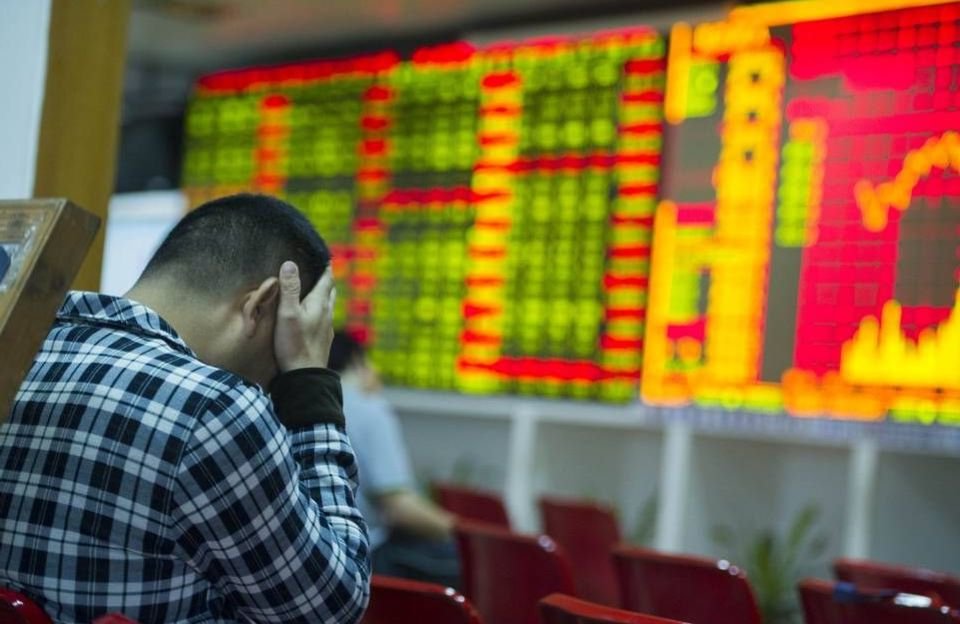
Global markets reacted quickly as tensions intensified across the Middle East in War Panic Created.
Consequently, investors rushed toward assets considered safer during geopolitical turmoil.
The U.S. Dollar Rises as Middle East War Drives Investors Toward Safe-Haven Assets, signaling rising caution among global traders.
As uncertainty increased, the U.S. dollar strengthened against several major currencies.
Meanwhile, currencies linked to energy imports started losing momentum in global markets.
In addition, investors monitored political statements coming from Washington and Tehran.
President Donald Trump recently warned that the United States could strike Iran very hard soon.
However, officials also issued a temporary waiver allowing limited purchases of sanctioned Russian oil.
That decision aims to reduce pressure on global energy markets.
Still, many analysts expect continued volatility in the coming days.
Rising Oil Prices Shift Currency Markets
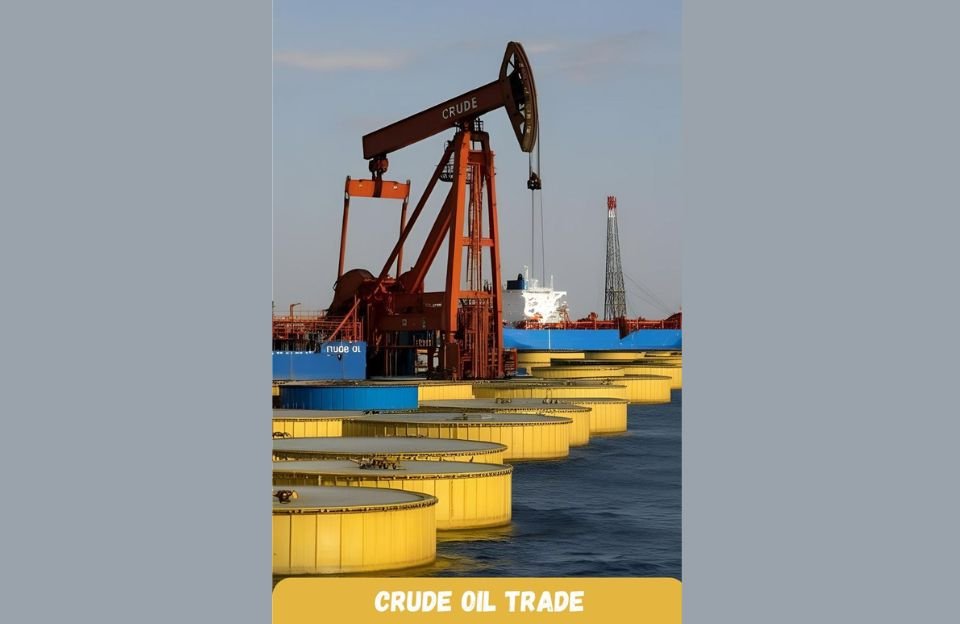
Oil prices surged quickly after tensions escalated in the region.
Because of this surge, currencies tied to energy imports faced immediate pressure.
Japan and many European economies rely heavily on imported crude oil.
Therefore, higher oil prices often weaken their currencies during geopolitical shocks.
By contrast, the United States enjoys a stronger position in energy markets.
For nearly a decade, the country has operated as a net exporter of crude oil.
Consequently, the dollar often gains strength when energy prices rise sharply.
Market strategists believe investors also shifted capital away from risky international assets.
Instead, they increased holdings in safe currencies such as the U.S. dollar.
Euro Weakens While Markets Await ECB Decisions
The euro slipped lower against the dollar during Friday trading.
Currency markets reacted cautiously as investors assessed potential economic risks for Europe.
High energy costs could slow economic growth across the eurozone.
Meanwhile, traders closely watch the upcoming European Central Bank policy meeting.
Some analysts believe rising oil prices could influence future interest-rate decisions.
However, many economists remain cautious about aggressive monetary tightening.
Inflation Data Adds Pressure on the Federal Reserve
New economic data added another layer of complexity to market expectations.
Recent figures showed that U.S. consumer spending increased slightly above forecasts.
At the same time, underlying inflation continues to remain stubbornly strong.
Because of these signals, economists expect the Federal Reserve to delay interest-rate cuts.
Some analysts even speculate about possible rate hikes later this year.
Japanese Yen Faces Growing Intervention Pressure
The Japanese yen weakened sharply against the U.S. dollar during the turbulence.
At one point, the currency approached its weakest level in nearly a year.
Japanese officials quickly signaled concern about the rapid decline.
Authorities may intervene if currency weakness pushes import costs higher.
Meanwhile, investors continue watching geopolitical developments and global energy prices closely.