North Korea welcomes Seoul’s expression of regret over drone incursion
A reported drone incident has opened a new moment in a very tense relationship.
North Korea has welcomed Seoul’s expression of regret over the incident.
That response may seem small at first glance.
However, on the Korean Peninsula, even small signals can matter a great deal.
North and South Korea live with constant tension.
A single mistake near the border can quickly raise fear.
So, when one side offers regret and the other side responds calmly, people notice.
That is why this story has drawn such close attention.
The reported response from Pyongyang matters for another reason too.
It suggests that communication still has some value.
That does not mean trust suddenly exists.
It simply means both sides may still want to avoid a larger crisis.
For many observers, that alone counts as meaningful.
The peninsula has seen too many incidents turn dangerous very fast.
So, even limited restraint can feel important.
It can buy time, lower emotion, and leave space for more talks.
What the reported drone incident means
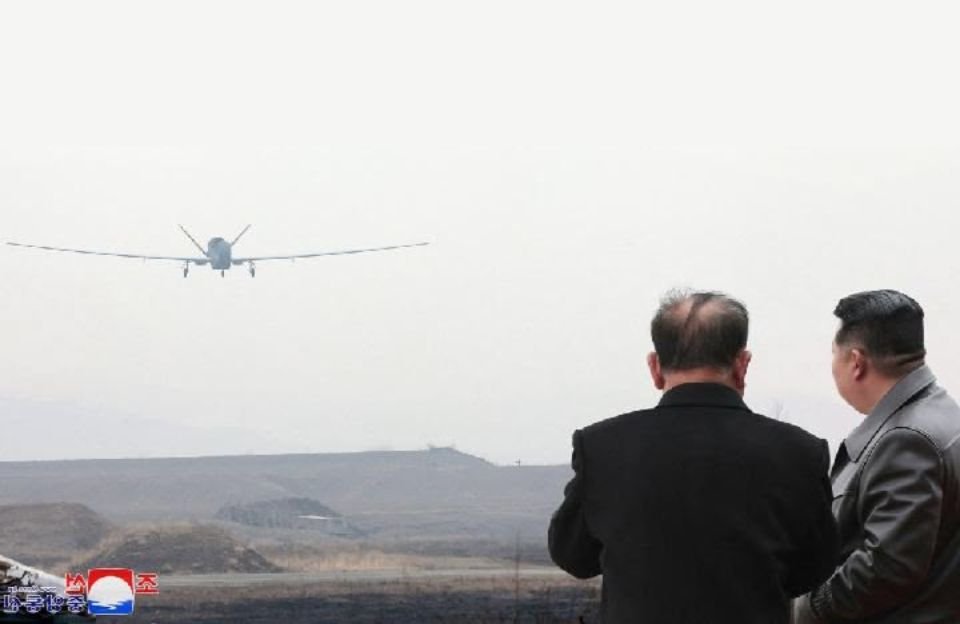
According to reports, the issue began with a drone crossing into sensitive airspace.
South Korea said the move was not intentional.
Then officials in Seoul expressed regret over what happened.
That step appears to have shaped the North’s reaction.
In border disputes, intention matters, but response matters just as much.
A mistake can still trigger anger if leaders choose a hard line.
Yet a careful response can stop that anger from growing.
That seems to be what both sides may have tried here.
A drone incident may sound technical to many people.
Still, in this region, it touches much deeper nerves.
Airspace and border lines carry military and political meaning.
So, any crossing can spark real concern on both sides.
That is why Seoul’s expression of regret stood out.
It gave a public signal that the South did not want escalation.
And that may explain why the North welcomed it, at least in part.
Words matter when trust remains thin.
Why border incidents on the Korean Peninsula feel so dangerous
The Korean Peninsula has lived with division for generations.
That history shapes every new headline.
People do not treat military incidents there as isolated mistakes.
Instead, they often see them through decades of fear and distrust.
Border zones carry heavy emotional weight.
Families near those areas know how quickly calm can vanish.
They remember older clashes, military warnings, and sudden alarms.
So, any reported drone crossing can stir real anxiety.
That anxiety does not stay inside government buildings.
It reaches homes, schools, and local businesses.
It also reaches families who have lost loved ones in earlier violence.
That is why a calm response can bring real relief.
Even then, relief does not erase the danger.
People know the next incident could unfold differently.
For that reason, many still want more than one apology.
They want stronger rules and steadier contact.
Why apology and restraint still matter
Some people dismiss apology in politics as weakness.
Yet in tense regions, apology can serve a practical purpose.
It can lower pressure before hard positions fully form.
It can also show that leaders understand the risk.
In this case, Seoul’s regret appears to have done just that.
It offered a signal of responsibility without adding more heat.
That may have helped North Korea respond with less hostility.
So, a few careful words may have prevented a larger clash.
Restraint matters for the same reason.
Leaders do not always need sweeping peace deals to help stability.
Sometimes they simply need to avoid making a bad moment worse.
That kind of choice can save lives too.
Observers often look for dramatic breakthroughs.
However, diplomacy often moves in smaller ways.
A call, a statement, or a quiet reply can matter.
On the Korean Peninsula, those moments can shape what happens next.
How the public may see the response
People in South Korea may read this response in different ways.
Some may feel relief that the North did not escalate.
Others may still worry that the calm could fade quickly.
Both reactions make sense in the current climate.
In North Korea, public messaging likely matters just as much.
Officials there may want to show control and discipline.
Welcoming regret can help project that kind of image.
At the same time, it can leave the door open for future contact.
Public opinion also matters because tension affects daily life.
When people fear conflict, they often change how they plan.
They think about safety, travel, and family risk.
So, even a small calming gesture can shift public mood.
That may explain why the story reached beyond official circles.
People want signs that both sides still understand the stakes.
They want fewer surprises and fewer dangerous missteps.
A response like this can offer at least a brief measure of that.
Why diplomacy still matters after the incident
Diplomacy often looks slow and unsatisfying.
Still, it remains one of the few tools that can reduce danger here.
Military readiness may prevent some threats.
Yet communication helps prevent mistakes from turning into crises.
That is why continued contact matters after this incident.
A single apology cannot solve years of tension.
However, it can support a process that values caution and direct contact.
That process may matter more than any one statement.
If officials on both sides keep talking, they may lower future risk.
They may also improve how they handle emergencies near the border.
That would not create peace overnight.
Still, it could make the region a little safer.
For now, diplomacy seems to have done one useful thing.
It has slowed the rush toward confrontation.
That alone gives both sides a small chance to think more clearly.
And on this issue, that can mean a lot.
What comes next after North Korea welcomes Seoul’s expression of regret over drone incursion
The next step will matter just as much as the first one.
If both sides keep the tone calm, this moment may help.
If either side changes course, the value could disappear quickly.
So, the coming days remain important.
Officials in Seoul will likely review procedures and border safeguards.
That would make sense after any airspace incident.
At the same time, observers will watch Pyongyang for further signals.
They will want to know whether the softer tone continues.
Many people will also hope for stronger communication channels.
That could help if another mistake happens later.
The Korean Peninsula does not need more avoidable risk.
It needs fewer chances for misreading and overreaction.
In the end, this story is not about one drone alone.
It is about how two rivals respond when something goes wrong.
This time, regret met restraint.
That does not solve the deeper conflict.
Still, it may show that caution can still win a small moment.
And sometimes, on the Korean Peninsula, that is a meaningful start.