The World Isn’t Ready for a Taiwan Strait Shock Right Now
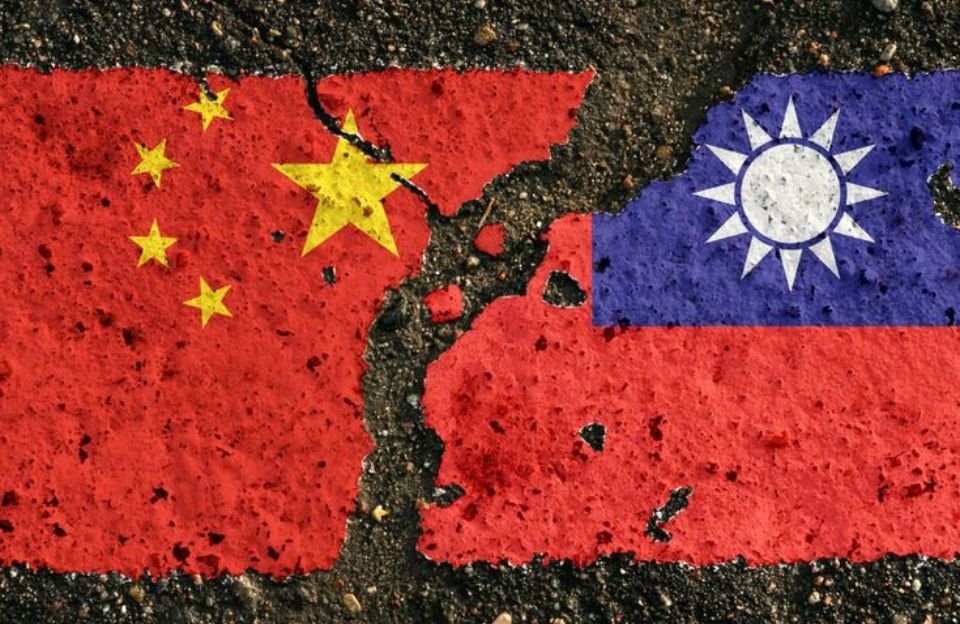
The world feels tense again. News from the Taiwan Strait spreads fast. People see ships, drills, and stern warnings. So fear grows well beyond Asia. This story is not only about maps. It is about paychecks, prices, and daily life. That is why this moment matters. The world isn’t ready for a Taiwan Strait shock.
Why the Taiwan Strait Matters to Everyone
Many people live far from Taiwan. Even so, this risk could still hit them. Taiwan sits on a key trade route. Huge cargo ships pass through nearby waters. Chips also matter here in a big way. Taiwan helps power the world’s tech supply. Phones, cars, and laptops depend on those chips. So a shock there could spread fast.
A Short Look at the Long Dispute
This conflict did not start yesterday. Its roots go back to 1949. That year changed China and Taiwan forever. Since then, both sides have told different stories. Meanwhile, the United States has backed Taiwan in key ways. China has pushed harder in recent years. As a result, the pressure has grown. Now each new drill draws global attention.
Daily Life Feels the Pressure First
Big events often sound far away. Yet ordinary people feel them very fast. A family in Kaohsiung hears aircraft overhead. A shop owner wonders about next month’s costs. A student checks the news before class. Then life goes on, but nerves remain. That is how tension works. It enters the room before any crisis starts.
Fishermen, Workers, and Families Carry the Worry
A fisherman does not speak in policy terms. He speaks about weather, fuel, and safe water. Yet military drills can block his route. Submarines can change where he works. Port checks can slow his sales. So his worry feels simple and real. He wants calm seas and fair prices. Instead, he gets doubt and delay.
The World Isn’t Ready for a Taiwan Strait Shock in Business
Business leaders now watch the strait closely. They know one shipping delay can hurt profits. They also know one chip shortage can stall factories. So they build backup plans. Still, many supply chains remain thin. They move fast, but they break fast too. Because of this, one shock can hurt many sectors. The world isn’t ready for a Taiwan Strait shock in business.
Chips Sit at the Center of the Risk
Taiwan makes vital semiconductors for the world. Those chips run cars, phones, and data centers. They also support defense systems and hospitals. So this issue reaches far beyond consumer gadgets. If chip shipments slow, factories can stop. Then stores may run short on goods. Prices can rise soon after. That chain reaction can hit millions.
Shipping Trouble Could Raise Costs Fast
The waters near Taiwan matter to trade. Ships use nearby routes every day. They move fuel, food, electronics, and parts. So any threat there scares freight markets. Insurers may raise rates very quickly. Shipping firms may reroute cargo to safer lanes. Then trips take longer and cost more. After that, families pay more at checkout.
Energy Markets Could Feel It Too
Oil traders react fast to fear. They watch sea lanes with sharp focus. If risk rises, prices can jump. Then transport costs rise as well. That can spread through the whole economy. Bus fares, food bills, and delivery fees may climb. So even people far away can feel it. A distant shock can become a local burden.
Markets Usually Move Before Leaders Do
Financial markets hate doubt. So traders often react before governments speak. They sell risk and buy safer assets. That means stocks can drop fast. At the same time, gold and U.S. bonds may rise. The dollar may gain strength too. Then headlines multiply across screens. Soon, fear shapes the mood of the day.
The Human Ripple Spreads Quietly
Not every shock looks dramatic at first. Sometimes it starts with a canceled order. Then a factory cuts one shift. After that, a worker loses hours. A family trims grocery spending next. A small business delays a hire. So the pain spreads in quiet steps. That is why ordinary lives feel the ripple.
Why Diplomacy Feels So Fragile
Words matter a lot in tense moments. One harsh line can raise the heat. One vague line can spark confusion. So leaders must speak with care. At the same time, ships and aircraft send their own message. That mix can create dangerous misreads. A crisis may grow from one bad call. Therefore, strong diplomacy matters more than ever.
The United States and China Raise the Stakes
The United States says it wants stability. China says Taiwan remains a core issue. Both sides show resolve in public. So the room for error looks small. Each move gets watched in real time. Each statement reaches markets within minutes. That speed makes every choice more important.
The World Isn’t Ready for a Taiwan Strait Shock at Home
Most families do not track naval drills. They track rent, food, and school costs. Still, global tension can reach their homes. It can show up in gas prices. It can even hit retirement savings. So this issue is not abstract at all. The world isn’t ready for a Taiwan Strait shock at home.
What Leaders and Companies Should Do Now
First, leaders should lower the temperature. They should keep direct talks open. They should avoid reckless language and show restraint. Next, companies should test backup plans. They should map key suppliers and shipping routes. They should protect cash and inventory. Finally, families should stay informed, not panicked. Calm action beats fear every time.
What to Watch in the Months Ahead
Watch for bigger drills or more ships. Watch for trade warnings and insurance changes. Also watch chip supply and freight costs. Those signs often show stress early. Markets may move before headlines catch up. So people should follow trends, not rumors. Clear facts matter most in tense times. They help people make better choices.
Final Thoughts
The world isn’t ready for a Taiwan Strait shock. The risk reaches beyond the region. It touches trade, tech, energy, and household budgets. More importantly, it touches real people. Families want peace, steady work, and normal days. They do not want history to crash through dinner. Yet that is what shocks do. They turn distant tension into personal cost.
So this story deserves close attention. It calls for calm heads and steady hands. It also calls for honest planning. The stakes reach much wider than one strait. If leaders fail to ease this tension, ordinary lives may pay the price first.