Samsung Shuts Down Texting App, Directs Users to Switch to Google Messages
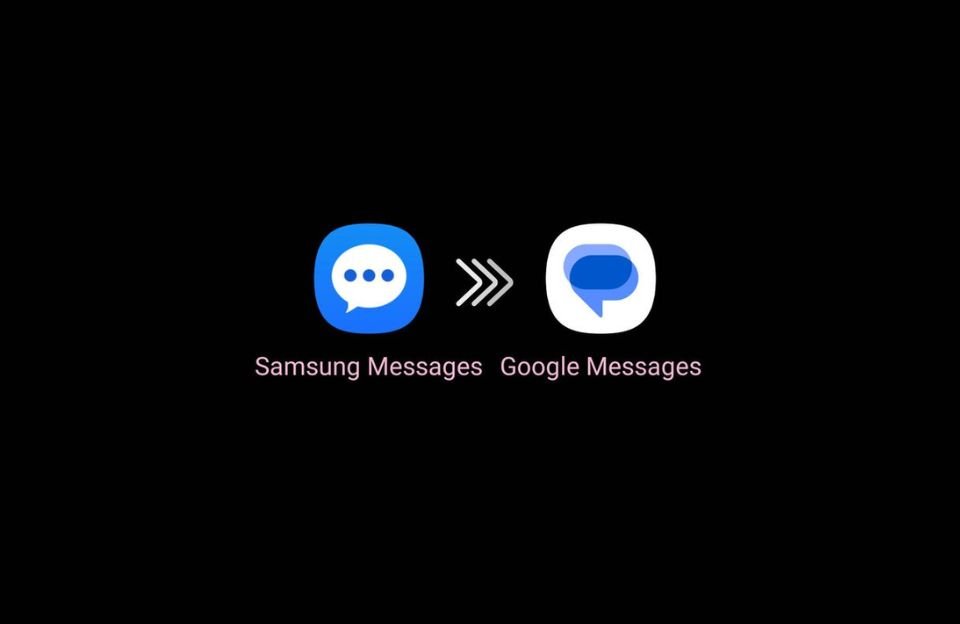
Samsung is moving users away from its long-time texting app.
Instead, it now points many people toward Google Messages.
That may sound like a small software change at first.
However, for Galaxy users, it marks the end of something familiar.
For years, Samsung Messages lived on millions of phones.
People used it for quick texts, family chats, and daily updates.
It became part of the normal Galaxy experience.
So, its exit carries more weight than a routine app update.
This shift also matters beyond Samsung.
It says something bigger about Android messaging.
Google now looks more central than ever in that space.
As a result, Samsung’s move feels like a sign of where Android is heading.
Some users will welcome the change right away.
Others will miss the app they already know. That split reaction makes sense.
People often notice messaging apps only when they disappear.
Samsung Messages had a long run on Galaxy phones
Samsung Messages served as the default text app on many Galaxy devices.
It handled simple texting in a way that felt familiar and direct.
For many users, it just worked. That often matters more than flashy features.
The app also carried a certain Samsung identity.
It matched the look and feel of Galaxy phones.
That gave users a sense of continuity across settings and built-in tools.
So, the app felt like part of the phone itself.
That kind of familiarity creates habit.
People open the same app each day without thinking.
They trust the layout, the icons, and the flow.
Then one day, the company changes direction.
That is when users really notice what they had.
A texting app may seem basic, yet it shapes daily phone use.
It handles personal notes, missed plans, and family check-ins.
So, replacing it can feel bigger than the company expects.
Why Samsung wants users on Google Messages
Samsung appears to want a simpler messaging strategy.
Two texting apps can create overlap and confusion.
So, moving toward one main platform may feel cleaner for the company.
It may also help Samsung focus on other parts of its software.
Google Messages also offers features tied to modern Android messaging.
That includes richer chat tools and better support for RCS.
For some users, that means better media sharing and clearer conversation tools.
So, the switch has a technical logic behind it.
Google has pushed hard to make Messages the Android standard.
Samsung now seems more willing to follow that path.
That alignment helps Google build a more unified messaging experience.
And it helps Samsung avoid doing the same work twice.
From a business view, that choice makes sense. From a user view, it feels more personal.
People do not care only about strategy. They care about comfort, speed, and the habits they already trust.
What the switch means for everyday users
For many Galaxy owners, the change will feel simple at first.
They will open Google Messages and send a text.
The app will likely work fine for basic needs.
In that sense, the switch may not feel dramatic.
Still, comfort matters in small ways.
A familiar app saves time and reduces friction.
A new one can feel strange, even if it works well.
That is why some users may resist the change at first.
Others may adapt fast. Google Messages already appears on many devices.
Some people have used it before on other phones. So, for them, the shift may feel easy.
Even then, there is still an emotional side. People build routines around their phones.
When a company removes a tool they know, trust can wobble.
That is why transitions like this often feel bigger than they sound.
Google Messages gains more power in Android
This move also strengthens Google’s place in Android messaging.
Each Samsung user who switches helps that trend grow.
Over time, that could make Google Messages feel like the clear default.
And that may be exactly the point.
A stronger standard can help Android in some ways.
It can reduce confusion between brands.
It can also make support and updates more consistent.
So, there are clear benefits to a unified platform.
However, there is also a tradeoff. Samsung loses a bit of its own software identity here.
That may not matter to everyone. Still, longtime Galaxy fans may feel it.
Samsung has often tried to balance its own apps with Google’s.
This shift suggests a stronger pull toward Google now.
That change may shape more than texting over time.
It could hint at wider software choices later.
Why this feels like more than an app change
On paper, this is a messaging update.
In practice, it feels like a small change in phone culture.
Samsung Messages was familiar, quiet, and built into daily life.
Now users must move on from that comfort.
That is why reactions feel mixed.
Some people want modern features and a smoother future.
Others simply want the old app to stay where it was. Both reactions are understandable.
Tech companies often frame changes as progress.
Sometimes they are right. Still, progress can also feel like loss at first.
That is especially true when a trusted app disappears.
Final thoughts on Samsung Shuts Down Texting App, Directs Users to Switch to Google Messages
Samsung’s move points to a clear future.
Google Messages now stands closer to the center of Android texting.
That shift may help standardize the experience across devices.
It may also leave some Samsung users feeling pushed.
In the short term, people will likely adapt. Most users always do.
Still, that does not mean the change feels easy.
Familiar tools matter because daily life runs through them.
In the end, this story is about more than one app.
It is about habit, trust, and the quiet role of simple technology.
A texting app rarely feels important until it changes. Then everyone notices.
That is why this move matters. It closes one chapter for Galaxy users.
And it opens a more Google-led messaging future across Android.
Whether users love it or not, the direction now looks clear.