Israel Carries Out Large Wave of Air Strikes Across Lebanon
The night sky over Lebanon burned bright for hours. The deep rumble of explosions rolled through valleys and coastal towns. People woke to the sound of jets slicing the air. By morning, questions replaced the noise. The headline everywhere read the same: Israel carries out large wave of air strikes across Lebanon.
The strikes hit multiple sites. Israel said the attacks targeted Hezbollah positions and weapons depots. Lebanese sources reported damage to homes and farms. Between the two accounts lay a familiar uncertain line—the distance between war and defense.
Israel Carries Out Large Wave of Air Strikes Across Lebanon After Rocket Fire
The Israeli army said it struck dozens of operational sites across southern and central Lebanon. Its commanders explained that the raids answered recent rocket fire that injured civilians in northern Israel. Prime Minister Benjamin Netanyahu stated that the country “will act firmly until its citizens live free from threat.”
Lebanese officials told a different story. They described what they called predictable aggression meant to test the limits of Lebanese patience. Local journalists in Tyre and Nabatieh saw flames rising near hills that separate farmland from the main highway. In Beirut, windows rattled as shockwaves reached the capital.
Across both nations, families packed bags again. They looked to the horizon and tried to guess what would come next.
Fear and Uncertainty Grip Border Communities
At sunrise, residents near the border walked among broken windows and scattered branches. Power lines dangled above narrow roads. A farmer in Marjayoun pointed toward burned olive fields. “Everything was quiet this week,” he said. “Then the planes arrived. Now quiet feels impossible.”
Volunteer medics treated people with mild injuries and smoke inhalation. Hospitals in southern districts reported crowds of frightened families searching for relatives. The Lebanese Red Cross urged both governments to protect humanitarian access.
In Acre and Kiryat Shmona, towns just across the Israeli side, police cleared rocket fragments from streets. School buses stayed parked. Business owners locked doors early. One Israeli resident described the mood in two words: “tense silence.”
The United Nations Calls for Restraint
By midday, the United Nations Interim Force in Lebanon (UNIFIL) released a short appeal. The statement called on both sides to step back from the brink and honor existing boundaries. Representatives from the European Union joined that call, stressing that further escalation could destabilize the entire region.
UN peacekeepers along the Blue Line increased patrols to monitor troop movements. Diplomats in Geneva and New York repeated the same request—dialogue before disaster.
Regional media in Cairo and Amman carried the story as a warning. For many in the Arab world, the headline “Israel carries out large wave of air strikes across Lebanon” sounded too familiar, too close to other long nights across the Middle East.
Leaders Respond With Sharp Words
Lebanon’s caretaker prime minister, Najib Mikati, denounced the attacks as violations of international law. He urged the international community to prevent further aggression. “Lebanon will not serve as a theater for regional wars,” he said.
In Jerusalem, Defense Minister Yoav Gallant defended the operation and praised the pilots who led it. “Israel protects its people first,” he said. “Anyone who fires rockets at our cities will face our response.”
Analysts believe each side wants to appear strong while trying not to trigger a full‑scale conflict. A longtime diplomat in Beirut described it as “a game of nerves carried out in public view.”
Markets and Humanitarian Concerns
Oil traders reacted within minutes of the strike reports. Prices ticked up as investors assessed risk around the Eastern Mediterranean. Shipping operators reviewed routes near the Strait of Hormuz in case wider fighting disrupted energy lanes.
Meanwhile, humanitarian groups on both sides worked through the morning. Crews cleared debris to reach those trapped inside one collapsed house outside Tyre. In Israel, social‑service teams opened shelters for families near the border.
Lina Geha from the Lebanese Relief Council summed up the feeling: “Every explosion pushes people closer to leaving. They lose work, home, and hope at once.”
Israel Carries Out Large Wave of Air Strikes Across Lebanon as Tensions Rise
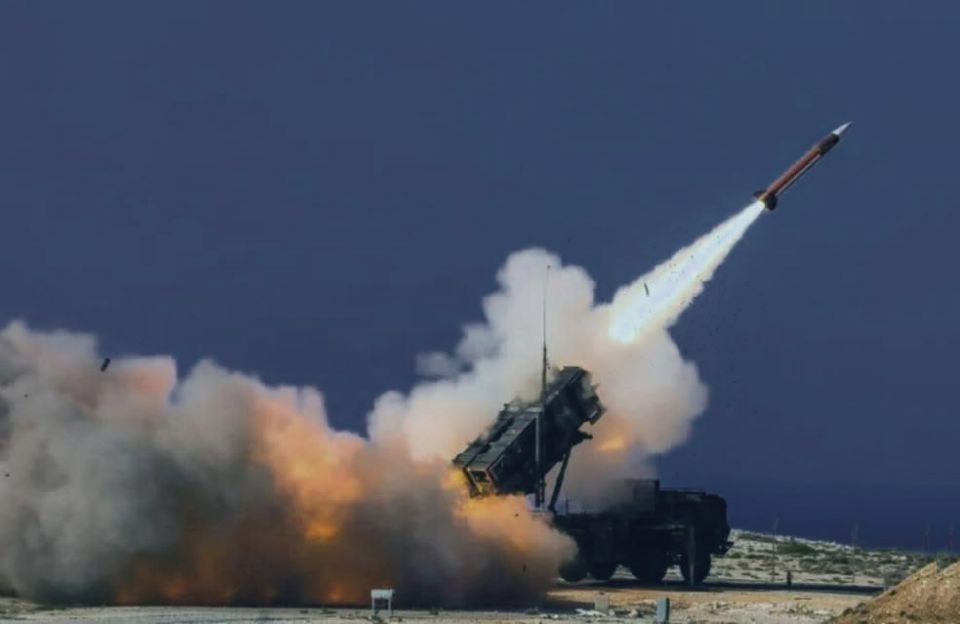
Political observers warned that fresh clashes could draw in more actors from Iran and Syria. Hezbollah’s brief statement promised a response “at a moment we choose.” Israeli officials prepared additional Iron Dome batteries along the frontier. Civilian defense apps pushed alerts every hour.
Despite the fear, small moments of normal life continued. Bakeries reopened in Tyre after sunrise. Children still lined up for bread. One shop owner looked at the quiet street and murmured, “If this peace lasts one day, we take the day.”
That small hope might define the coming week. Each hour without smoke will feel like a victory no one can claim.
For people across Lebanon and northern Israel, the message remains heavy and simple: war can always return faster than peace can heal.