
In his address to the press during a briefing held at the United Nations Headquarters in New York City on 6th March 2026, the UN Under-Secretary-General for Humanitarian Affairs and Emergency Relief Coordinator, Mr. Tom Fletcher, observed that the Middle East crisis has now reached a “moment of grave peril” as multiple humanitarian emergencies are rapidly escalating in the region.
In his address, Mr. Fletcher observed that the Middle East crisis is worsening as conflicts are expanding and becoming more interconnected. As conflicts continue to escalate, enormous financial resources, amounting to $1 billion daily, are being channeled into the war, while the funding for humanitarian aid continues to dwindle. This situation is causing more suffering for the people affected by the worsening Middle East crisis.
Growing Humanitarian Impact Across the Region
The warning came at a time when violence is still experienced in various nations in the Middle East region. Homes, hospitals, and learning institutions are being targeted, leading to the displacement of thousands of civilians from their homes.
The United Nations High Commissioner for Refugees (UNHCR) noted that hundreds of thousands of people have been displaced in the region.
On the other hand, the UNICEF noted that over 190 children have been killed in the violence. The children were from Iran, Lebanon, Israel, and Kuwait, with over 180 children being killed in Iran, while seven were from Lebanon, three from Israel, and one from Kuwait.
Fletcher noted that the civilian population needs to be protected and called for the immediate de-escalation of the conflict through diplomatic means based on the principles of the United Nations Charter.
Humanitarian Response in Iran
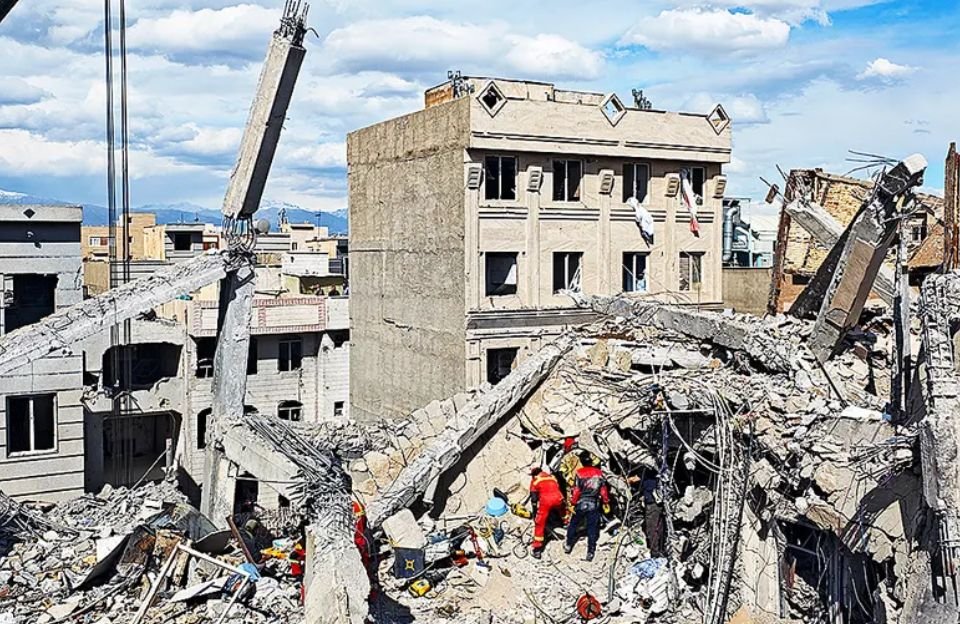
The UN officials are closely watching the humanitarian situation in Iran following the airstrikes from Israel and the United States. The Iranian government reported over 1,000 deaths and damage to over 100 civilian sites.
There were over 100,000 people displaced in the past week, based on the UNHCR and the International Organization for Migration (IOM).
The humanitarian teams are preparing to act in response to any additional assistance needed from the Iranian government. The UN is currently on standby to provide aid to the country in the form of food, shelter, and medical supplies.
Lebanon Facing Renewed Crisis
The situation in Lebanon is also worsening fast. In the recent attacks, over 100 people have died, and hundreds have been injured. Around 100,000 people have taken refuge in these shelters.
Even before the escalation, the World Food Programme had estimated that there were 874,000 people in Lebanon who did not have access to food. However, now emergency supplies are being given out, and these include food, mattresses, blankets, and clean drinking water.
Gaza Aid Disruptions Intensify Crisis
Humanitarian work in the Gaza Strip is also facing a major problem, as the border crossings are closed, and the assistance is entering the Gaza Strip at a slower rate, leading to a shortage of fuel and other essential items.
The Karem Abu Salem border crossing, also known as the Kerem Shalom border crossing, is open, but the other border crossings, including the Rafah border, are closed, and the medical evacuation is also suspended.
Only less than one million liters of fuel have entered the Gaza Strip this week, whereas two million liters of fuel are required to operate the essential services in the Gaza Strip.
Violence Spreads to Afghanistan Border
The conflict has also spilled over beyond the Middle East region. Clashes along the border between Afghanistan and Pakistan have resulted in the deaths of dozens of people, including women and children.
Over 16,000 families have been forced to leave their homes, increasing the millions of people displaced within Afghanistan. Damage has been reported at a hospital and facilities around the Torkham returnee reception center.
Global Consequences of the Conflict
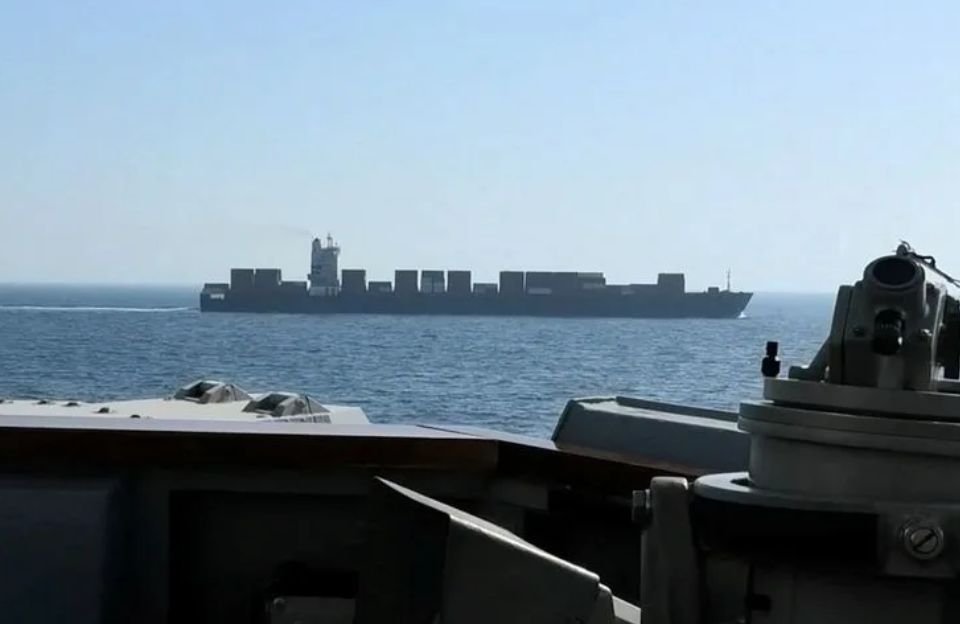
Fletcher also warns that these conflicts could have a wider global effect. For example, disruptions to maritime routes such as the Strait of Hormuz could cause food prices to rise.
Humanitarian agencies are also pre-positioning supplies and looking at different routes to ensure the continued delivery of aid to those in need.
Another major worry is that the focus and the funds could shift away from other severe crises happening around the world, such as in Sudan, South Sudan, Ukraine, and the Democratic Republic of the Congo.
Urgent Call for De-Escalation
Fletcher concluded by reiterating the commitment of the humanitarian agencies to continue assisting the people, even in the face of the rising dangers. However, he was quick to point out that the crisis cannot be solved by the aid that the people are getting.
“The warning lights are flashing,” he said, calling upon the governments to consider de-escalation, negotiations, and diplomacy in order to resolve the crisis.
He went on to say that if the billions of dollars spent on the war were channeled towards the aid of the people, millions of lives could be saved.