
Oil prices surged past $100 per barrel as tensions intensified in the Middle East following escalating conflict in Iran. The sharp rise marked the first time prices crossed the $100 threshold since the Russia’s 2022 invasion of Ukraine. Global markets reacted quickly as investors feared disruptions to energy supplies and global trade routes.
TThe global benchmark for oil, Brent crude, has risen to almost $120 per barrel in the early stages of trading and is currently trading at around $104, a rise of 12% during the course of the day. On the other hand, the West Texas Intermediate (WTI) crude oil futures in the United States have risen by more than 11% and are currently trading at almost $101 per barrel, having touched a high of $110 per barrel during the closing stages of Sunday night.
The rise in oil prices has not gone unnoticed by Donald Trump, who tweeted that the rise in oil prices is a “very small price to pay” for global security. He further stated that the prices will eventually fall once the threat of Iran’s nuclear program is removed.
The rise in oil prices has become a major concern for investors due to the recent appointment of Mojtaba Khamenei as the next supreme leader of Iran in the wake of the death of the former supreme leader, Ali Khamenei, during the initial stages of the US and Israeli strikes.
This is according to market strategists, who claim that panic has replaced earlier optimism as traders take into account the possibility of extended disruptions in the supply of oil. The attacks in the Middle East, particularly those aimed at energy infrastructure, have already heightened fears of instability in the region.
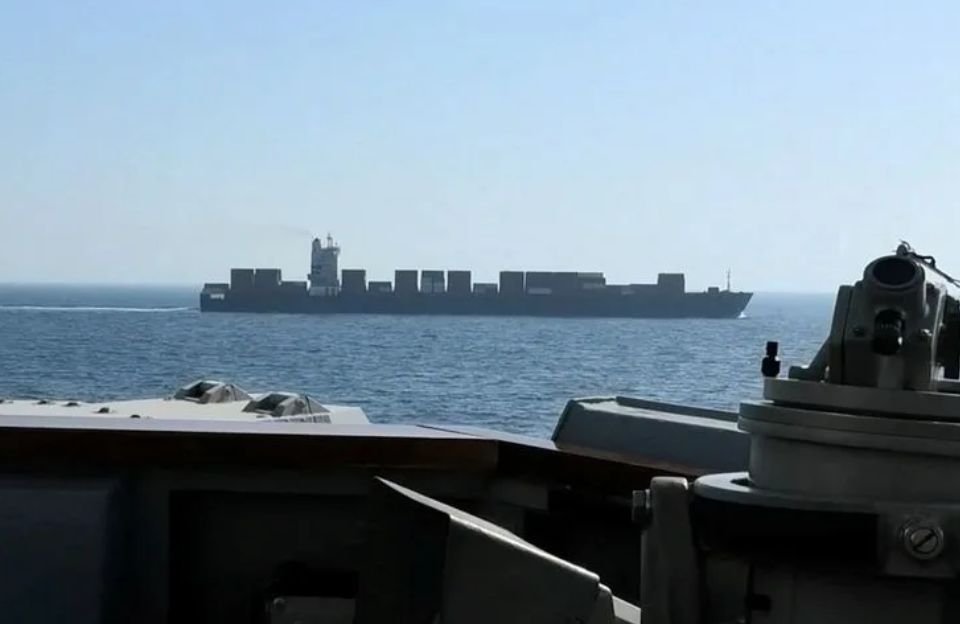
One of the main fears is that of instability in the Strait of Hormuz, a shipping route that is responsible for 20% of the world’s supply of oil. Iran has already threatened to attack oil tankers that use this route, leading to fears of a serious disruption in the supply of oil.
Energy analysts claim that there is a possibility of a rise in oil prices up to $150 a barrel if there is a restriction in shipping via the Strait of Hormuz. This could lead to a rise in inflation, affecting the economy.
However, these events were met with negative responses by the stock market. The futures of the main stock markets in the United States fell significantly as investors were concerned about the economic impact of these events.
Fuel prices have also seen a sharp rise. The average fuel price in the United States has risen to $3.45/gallon, representing a rise of 16% compared to the previous week. The rise in fuel prices may worsen the economic conditions of consumers, as well as create political problems in the lead-up to elections.
The United States government has sought to reassure investors about these events. The government announced plans to offer insurance coverage for ships passing through the Strait of Hormuz, as many insurance firms refused to offer coverage for ships in the region. The government is also considering escorting commercial ships by naval vessels.
However, these measures may not be enough to boost confidence in the market unless tensions ease.
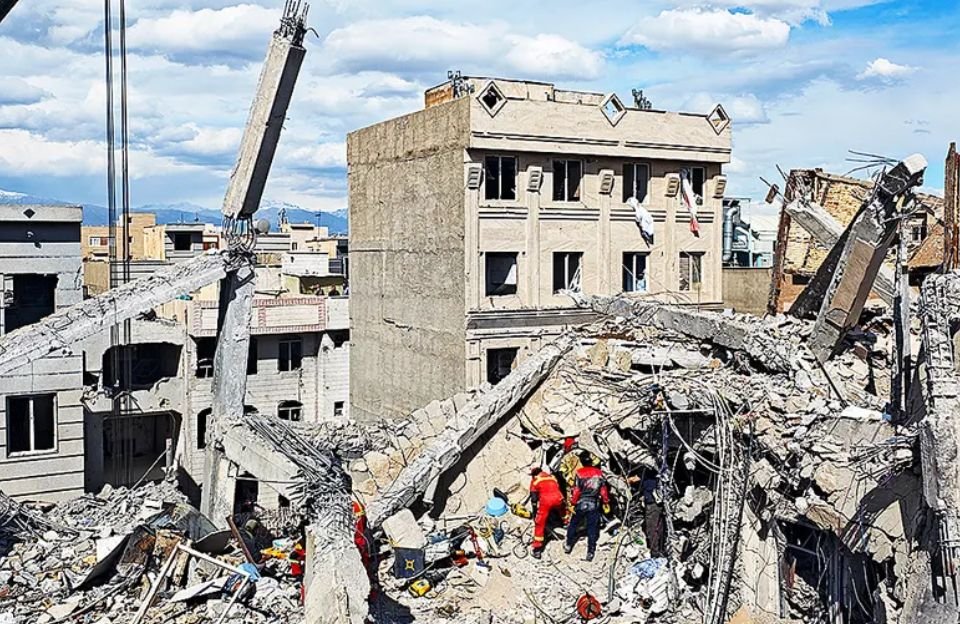
Meanwhile, Iranian officials declared that the conflict is escalating to a new phase after Israeli strikes targeted Iranian oil storage facilities.
As the conflict intensifies, storage capacity for oil is tightening in the region. Oil producers are implementing production cuts due to the fact that storage facilities are filling up quickly.
Unless tensions ease, the global energy markets could experience a period of volatility due to the conflict.