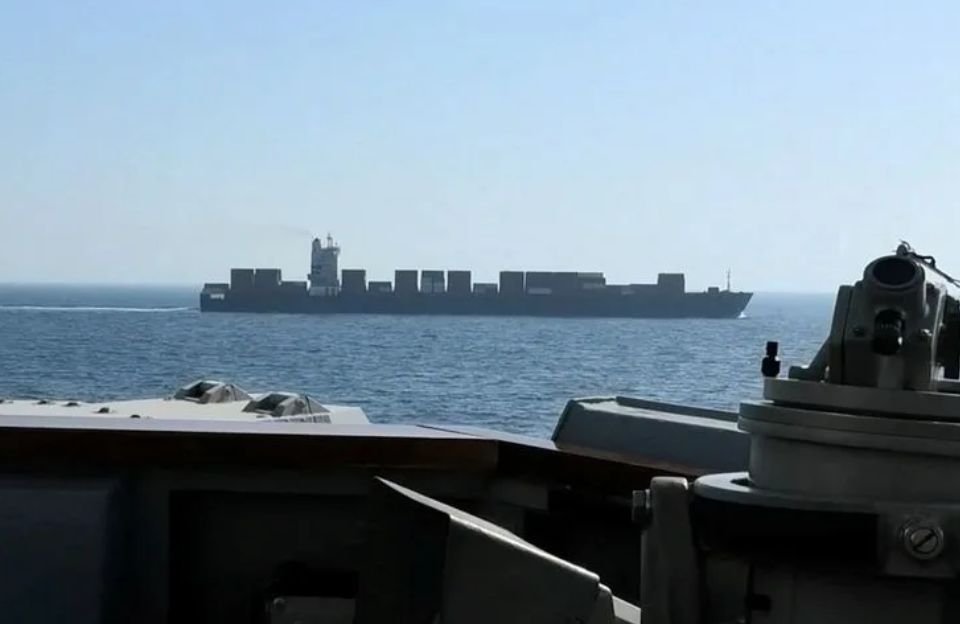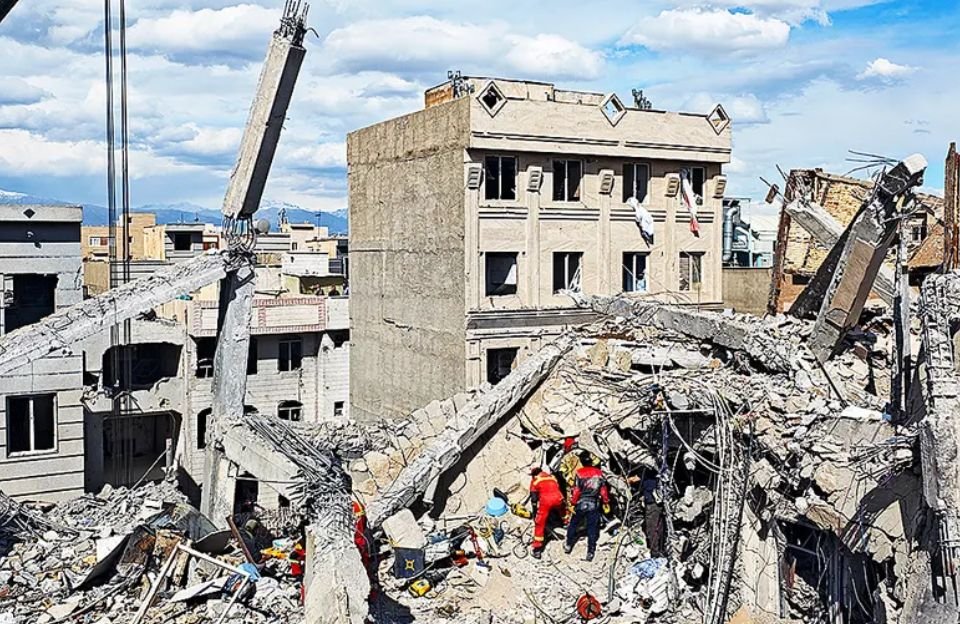
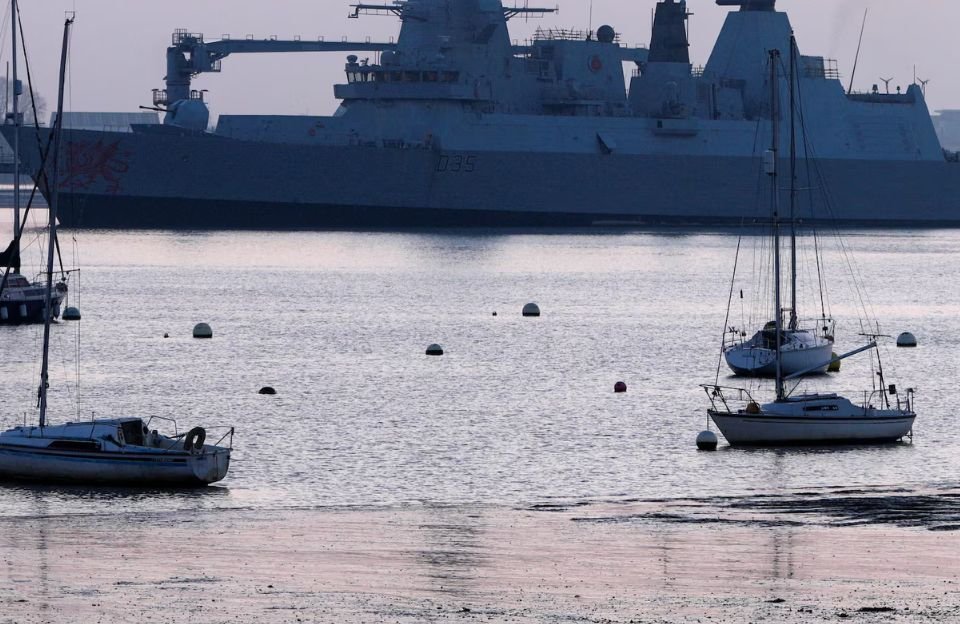
The UK is not going to get involved in the Iran war, says Prime Minister Sir Keir Starmer. He made it clear that Britain will not send military help to the region, even though the US is pushing for it. This decision was made public during a live political event, where some EU countries also said they won’t send warships to the Strait of Hormuz. Instead, they want to focus on finding a diplomatic solution rather than getting into a military conflict. Sir Keir Starmer’s stance is firm, and it’s clear that the UK wants to avoid getting drawn into the war. The EU nations are also being cautious, choosing to prioritize talks over military action. This approach shows that they are committed to finding a peaceful resolution to the crisis. By not sending warships, the UK and EU countries are sending a strong message that they prefer diplomacy over military intervention.
The UK’s leader, Starmer, made it clear where he stands on getting involved in a bigger war in the Middle East. This came after things started to get really bad between the US, Israel, and Iran. Starmer said the UK wouldn’t just jump into a war without a good reason, a solid plan, and support from other countries. He thinks any military action should be legal and make sense strategically. Other countries like Germany, Italy, and Japan agree with him. They don’t want to send warships to help reopen a really important waterway for oil shipments. This waterway is crucial for getting oil from one place to another, and lots of countries rely on it. Starmer’s statement is important because it shows the UK is being careful about getting involved in a conflict that could get out of hand. He wants to make sure that if the UK does get involved, it’s for a good reason and with a clear plan. This approach is also supported by other countries, which is significant because it means there’s a united front against rushing into a war.
The UK is willing to work with other countries to make sure ships can sail safely through the Strait of Hormuz, but they don’t want to send warships to the area. They will help clear mines and work with other countries to find a peaceful solution. The British prime minister wants to calm things down and protect the UK’s interests at the same time. They will keep talking to other countries to find a way to resolve the issue peacefully. This approach is focused on finding a diplomatic solution, rather than using military force. The UK will work with its allies to achieve this goal, and will prioritize de-escalation and protection of national interests. By doing so, they hope to find a resolution that works for everyone involved.
The UK’s decision not to send naval forces has been met with criticism from US President Donald Trump, who believes that working together with allies is crucial to keeping the strait safe and protecting the world’s energy supplies. However, the EU leaders have made it clear that they will not get involved militarily without a clear plan, strong legal support, and agreement from the international community. They think it’s essential to have all these things in place before taking any action. This approach is quite different from Trump’s, who seems to want a more straightforward solution. The EU’s stance is more cautious, and they want to make sure they have a solid foundation before making any moves. This disagreement between the UK, the US, and the EU shows that there are different opinions on how to handle the situation, and it’s not easy to find a solution that everyone agrees on.
European Union diplomats are being really careful about what they do near the Strait of Hormuz, because they don’t want things to get out of hand. They’re saying that NATO can’t just jump into a fight like this without a lot of support from other countries. Instead, they’re pushing for talks with Iran to try to calm everything down and find a way out of this mess that doesn’t involve actual fighting. It’s a pretty tricky situation, and they’re trying to figure out the best way to handle it without making things worse. They want to use diplomacy to solve the problem, rather than just relying on military power. This approach is seen as a way to reduce the risk of escalation and find a more peaceful solution.
The UK and some of its main EU allies are not sending warships to the area, which shows that Western countries are not agreeing on how to handle the Iranian conflict. Many of them want to calm things down and keep the economy stable, especially since oil prices are going up. As things keep happening, Starmer and European leaders are trying to find peaceful solutions while dealing with pressure from the public, risks related to geopolitics, and what’s best for their countries. They have to balance all these things carefully. The situation is still unfolding, and it’s not clear what will happen next. But for now, the focus is on finding a way to resolve the conflict without making things worse.